
Dotted smartweed
Polygonum punctatum Elliott
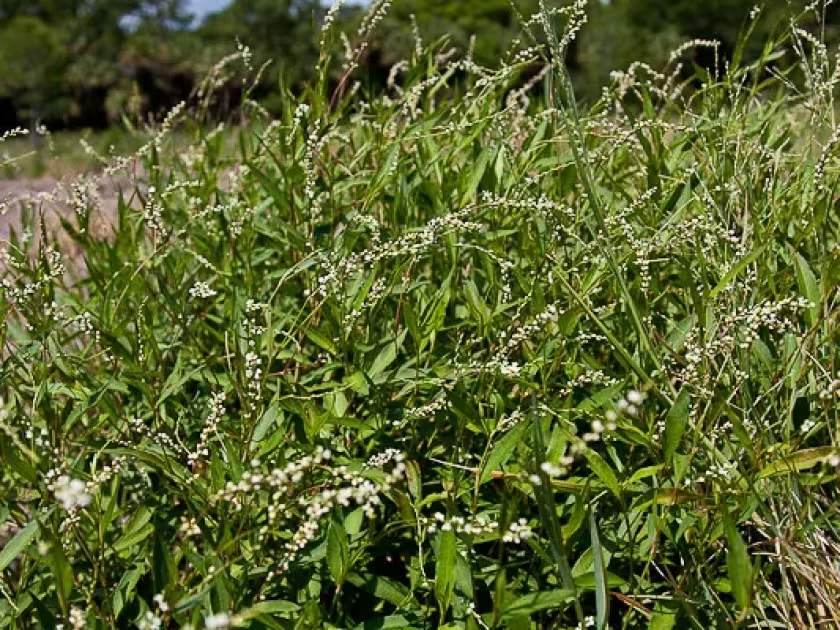
Description
Growing requirements
Dotted smartweed thrives in moist to wet soil conditions, typically preferring sites with high organic matter content. Full sun to partial shade is ideal for its development.
The species is sensitive to temperature extremes; optimal growth is observed in temperate climates with temperatures ranging between 18°C and 25°C. Prolonged freezing can cause dieback.
Effective agronomic management includes maintaining consistent soil hydration. The plant is well-suited for heavy, clay-rich soils that retain water throughout the growing season.
Fertilization regimes should prioritize nitrogen to support vigorous foliage growth, as the leaves are the primary target for harvesting.
Proper weed control is essential during the establishment phase, as the plant can be slow to start if competition from invasive weed species is too high.
Main diseases and pests
Fungal pathogens such as rusts and leaf spots are common risks, particularly in fields with poor air circulation or excessive moisture levels.
Insects like caterpillars and aphids pose the greatest threat to the harvest. Regular scouting is required to prevent significant damage to the leaf tissue.
Root rot can occur if soil drainage is completely absent, leading to stagnant water conditions that favor pathogenic bacteria and fungi.
Preventative measures involve crop rotation and the selection of clean propagation material to minimize the incidence of soil-borne diseases.
Using resistant cultivars and biological control methods is recommended to maintain the organic standards often required for medicinal plant production.