
Redshank
Polygonum persicaria L.
Description
Growing requirements
Redshank, scientifically known as Polygonum persicaria L., is an annual flowering plant belonging to the Polygonaceae family. It is widely distributed across the temperate regions of the Northern Hemisphere, often found in damp habitats, cultivated fields, and near water bodies.
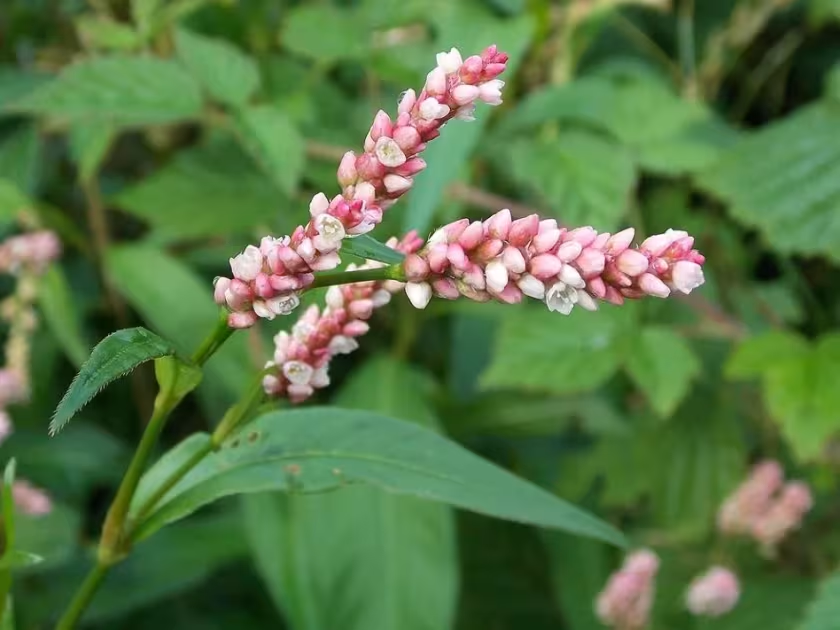
The plant is characterized by its slender, reddish-tinged stems that can reach up to 80 cm in height. Its lanceolate leaves often feature a distinct dark, chevron-shaped spot in the center, which serves as a key identification marker. Small pink or reddish flowers appear in dense, erect spikes.
For successful cultivation, Redshank requires soils that are consistently moist and rich in organic matter. Loamy or alluvial soil types are ideal, provided they are well-drained but not prone to drying out. The plant thrives in full sun but can tolerate partial shade, provided the humidity levels remain sufficient.
Agronomic practices for this species focus on site selection and moisture management. Early spring sowing is recommended once the risk of severe frost has passed. Adequate spacing between rows is necessary to prevent competition for light and nutrients during the rapid growth phase of the plant.
The economic value of Redshank lies primarily in its medicinal applications. The herb is known for its hemostatic and anti-inflammatory properties, attributed to its high content of flavonoids and tannins. It is processed commercially for use in pharmaceutical preparations and traditional herbal remedies.
Main diseases and pests
Redshank is susceptible to various fungal diseases, especially during periods of high humidity and poor ventilation. Powdery mildew is one of the most common issues, causing a white, dusty layer on the leaves, which inhibits photosynthesis and negatively affects the quality of the raw material.
Root rot, caused by waterlogging, is another major threat that can lead to significant plant loss. Maintaining proper soil drainage and avoiding over-irrigation are essential cultural practices to mitigate these risks and ensure healthy root development.
Insect pests such as aphids and leaf-eating beetles can cause considerable damage to young plants. Regular monitoring of the foliage is required, as early detection allows for the application of organic control methods before the pest population reaches damaging levels.
Weed management in the early stages of Redshank development is crucial. Because the seedlings are relatively small and slow-growing, competition from faster-growing weeds can severely stunt their development, necessitating manual or mechanical weeding in the inter-row spaces.
Strategic management of soil fertility and crop rotation practices plays a vital role in reducing the prevalence of soil-borne pathogens. By maintaining a balanced nutrient level and healthy soil structure, growers can improve the overall resilience of the plants against environmental stressors.