
Pennsylvania smartweed
Polygonum pensylvanicum L.
Description
Growing requirements
Pennsylvania smartweed (Polygonum pensylvanicum L.) is a member of the buckwheat family (Polygonaceae). It is a vigorous annual plant that is widely recognized in agriculture as a persistent and troublesome weed species.
Native to North America, this plant has adapted to various habitats, ranging from moist fields and ditches to cultivated farmlands. Its ability to colonize damp environments makes it a significant competitor for resources in row crops.
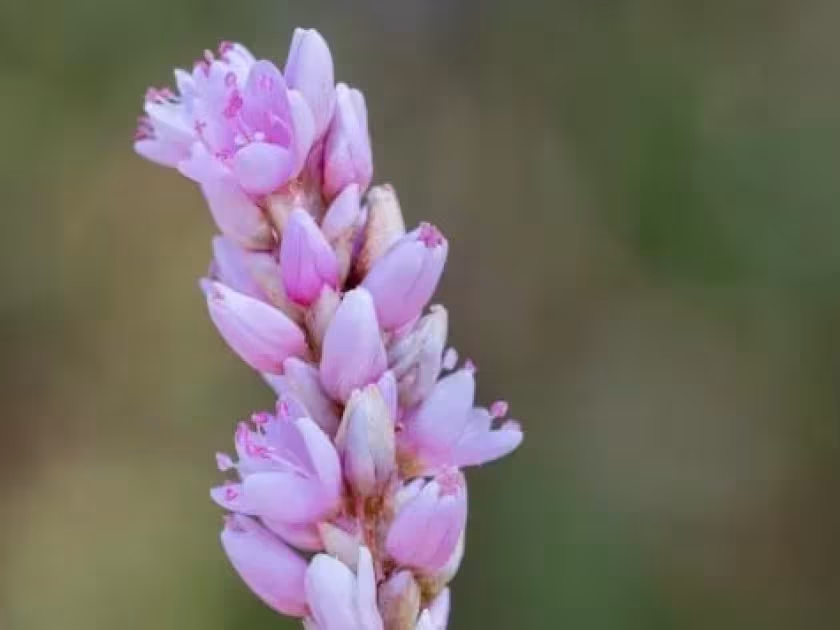
The plant is characterized by smooth stems, alternate lanceolate leaves, and distinctive pink or white flowers arranged in spikes. These flowers are highly efficient at producing large quantities of seeds throughout the growing season.
It thrives in moist, fertile soils and prefers warm climates. It is frequently found in low-lying areas of agricultural fields where soil moisture is retained longer, providing optimal conditions for its rapid development.
Effective management requires a combination of cultural practices, such as crop rotation and timely cultivation, and chemical intervention. Removing plants before they set seed is critical to breaking the reproductive cycle.
Main diseases and pests
The plant can be susceptible to various fungal pathogens, including downy mildew and rust, which often appear under high humidity conditions, though they rarely manage to eradicate the infestation completely.
Pests that may impact Pennsylvania smartweed include aphids, which suck sap from the foliage, and various beetles that may cause localized damage to the stems and leaf structures.
Despite these biotic stresses, the plant is remarkably hardy. Agricultural control remains focused on prevention rather than relying on natural disease vectors to control the population.
Farmers often utilize post-emergence herbicides to target the weed while protecting the primary crops, though resistance to certain chemical agents has been observed in some populations.
The persistence of the seed bank in the soil is a major challenge, requiring long-term planning and consistent field monitoring to keep Pennsylvania smartweed populations under manageable thresholds.