
Psyllium
Plantago ovata Forssk.
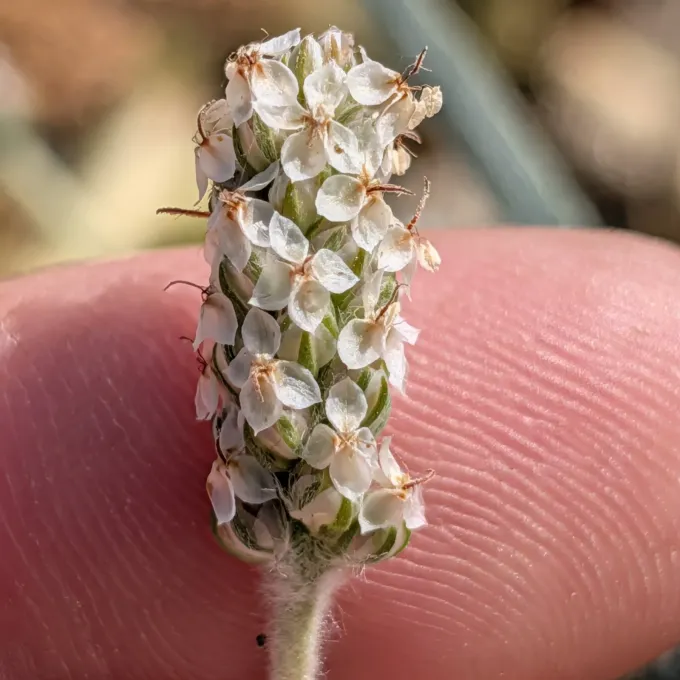
Description
Sowing dates
Sowing of Psyllium (Plantago ovata), commonly known as Isabgol, is typically performed during the autumn or winter season in regions with a temperate climate. The optimal time is October or November, allowing seeds to undergo necessary stratification for successful germination.
For efficient planting, row sowing is used with spacings of approximately 20–30 centimeters. The seeding depth should be minimal, as the seeds are very small; careful soil surface preparation is essential to prevent the seeds from being buried too deep.
The seeding rate generally ranges from 4 to 6 kilograms per hectare. In modern agronomic schemes, it is crucial to ensure even distribution of the planting material across the field to minimize intra-crop competition.
After sowing, the field is often rolled to improve contact between the seeds and the soil and to preserve moisture. Additional irrigation may be applied in the first few days post-sowing if natural soil moisture is insufficient for germination.
Seedlings emerge within 10–14 days, provided temperature conditions are met. Avoiding overly dense stands is important, as it helps maintain proper ventilation and reduces the risk of fungal infections within the crop canopy.
Growing requirements
Psyllium is an annual herbaceous plant belonging to the Plantaginaceae family, which prefers sunny and open fields. It is a xerophyte, well-adapted to the conditions of arid and semi-arid regions.
The crop has moderate soil requirements, though the best yields are obtained on sandy loam or light loamy soils. A crucial factor is good drainage, as the root system is highly sensitive to waterlogging.
The optimal pH range for successful growth is between 6.5 and 8.0. The crop demonstrates high salt tolerance, allowing it to be cultivated on lands that may be unsuitable for most other traditional field crops.
During its growth cycle, the plant requires moderate moisture, especially during the rosette formation and flowering stages. However, excessive rainfall during seed maturation can lead to significant quality reduction and premature seed germination.
The optimal temperature for vegetation is between +15°C and +25°C. While the plant can withstand short periods of low temperatures, prolonged frosts during active growth stages can be fatal to young seedlings.
Yield
The yield of Psyllium seeds directly depends on soil fertility, the quality of seeds used, and adherence to irrigation schedules. On average, agronomists expect yields of 800–1200 kilograms of seeds per hectare.
Under intensive farming systems using drip irrigation and precise fertilization, it is possible to increase marketable output to 1500 kilograms or more. The high value lies not only in the seed itself but also in the seed husk, which is rich in mucilaginous compounds.
The efficiency of the harvest depends on the degree of plant maturity. It is critical to harvest exactly when the seeds have turned their characteristic brown color but before they start shattering naturally, which causes significant field losses.
Total yield is determined by the number of spikes formed per plant. In optimal conditions, branched plants are capable of producing 30 to 50 flower stalks, with each carrying numerous seeds.
Post-harvest storage requires mandatory drying to a moisture content of no more than 10–12%. Failure to do so can result in self-heating and a decrease in the pharmacological activity of the raw material due to the development of mold fungi.
Main diseases and pests
The main threats to Psyllium crops are fungal diseases such as root rot and powdery mildew. These pathogens thrive under high soil or air humidity and in overly dense crop stands that impede proper air circulation.
Pests like aphids and various caterpillars can damage young leaves and flower stalks. Timely monitoring of the field allows for the identification of infection hotspots and enables quick intervention to minimize losses without heavy pesticide use.
Weeds are serious competitors during the early stages of Psyllium growth. Given the slow growth rate of the crop in the first few weeks post-emergence, it is critical to implement weed control to prevent the crop from being overwhelmed.
Crop rotation is used to prevent disease outbreaks, with the recommendation of not planting Psyllium on the same field more frequently than once every 3–4 years. Using treated seeds is also recommended to protect against soil-borne pathogens during early development.
Biological pest control is often preferred over systemic pesticides, as Psyllium is primarily grown as a medicinal raw material, which is subject to strict quality and purity standards.
Harvesting
Harvesting is performed during dry, sunny weather when the plants reach full physiological maturity. This period typically occurs 100–130 days after sowing, depending on the climatic zone and seasonal weather patterns.
Mechanical harvesting is common, utilizing grain combines adjusted for small-seeded crops. It is important to calibrate drum speed to prevent the crushing of valuable seeds during the threshing process.
Following threshing, the harvested material requires immediate cleaning to remove impurities, as plant debris retains moisture and can cause spoilage. Calibration machinery helps isolate high-quality seeds with high mucilage concentration.
The collected seeds are transported to specialized drying facilities. Drying temperatures must not exceed +40°C to preserve the integrity of the bioactive compounds and to maintain the quality of the mucilaginous components.
After drying, the product is packed in multi-layer paper bags or specialized containers. Proper packaging protects the seeds from moisture and pests during storage until they are processed for industrial applications.