
Greater plantain
Plantago major L.
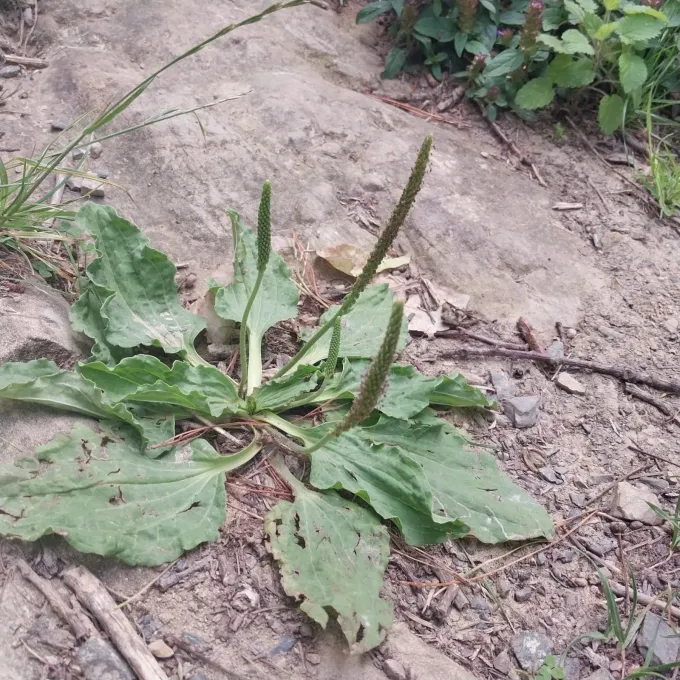
Description
Sowing dates
Greater plantain is typically sown in early spring, once the soil has warmed to a consistent temperature of 10-15 degrees Celsius. The seeds are extremely small, requiring careful handling to ensure an even distribution across the field.
For optimal results, seeds should be sown at a shallow depth of approximately 0.5 centimeters. Since they are light-dependent for germination, burying them too deep will significantly decrease the emergence rate.
Row planting is the preferred method for commercial cultivation, with row spacing maintained at 45 to 60 centimeters. This provides enough space for mechanical weeding and ensures that each plant has access to adequate nutrients.
Seeds may also be sown in late autumn to allow for natural stratification over winter, which can lead to more vigorous growth in the early spring. This method is effective in regions with temperate climates.
Proper seedbed preparation is vital; the field should be leveled and finely crumbled to provide the perfect environment for the tiny seedlings. Constant soil moisture must be maintained during the first few weeks after sowing.
Growing requirements
Greater plantain is a hardy species that adapts to various soil types, though it performs best in fertile, well-drained loam. It is surprisingly tolerant of soil compaction, which is a common issue in many agricultural settings.
The plant thrives in a pH range of 6.0 to 7.5. It is highly resilient to varying weather conditions, including frost, although it prefers sunny locations to maximize the production of active chemical compounds in the leaves.
While the plant can survive in drought conditions, consistent water availability is essential for obtaining high-quality foliage. Adequate irrigation during the peak growth season directly correlates with higher yield rates.
Weed control is the most critical management task, especially in the first year of production. Once the plantain reaches the rosette stage, its broad leaves shade the ground, which naturally helps suppress weed competition.
Fertilization with balanced mineral nutrients, particularly nitrogen, promotes rapid foliage growth. However, applications should be managed carefully to maintain the purity and medicinal quality of the harvested product.
Yield
The yield of greater plantain depends heavily on the intensity of the harvesting schedule. In well-managed fields, it is possible to obtain multiple harvests throughout a single growing season.
On average, growers can expect 1.5 to 2.5 tonnes of dried leaves per hectare annually. Higher yields are achievable through frequent irrigation and timely nutrient replenishment after each cutting.
The first harvest usually takes place when the plant begins to flower, as this is when the concentration of mucilage and other active compounds is at its maximum. Subsequent harvests depend on the rate of regrowth.
Productivity typically peaks during the second and third years of cultivation. After this period, the plant density may decrease, or individual plants may lose vigor, requiring the field to be re-sown.
Efficiency in harvesting is key to profitability. Using mechanized cutting tools set to a specific height helps minimize labor costs while ensuring that the root system remains undamaged for future growth cycles.
Main diseases and pests
The most common disease affecting greater plantain is powdery mildew, which appears as a white, dusty coating on leaves during periods of high humidity. Proper field spacing and airflow management can help prevent outbreaks.
Leaf-eating insects, including various moth larvae, can cause significant damage to the biomass. Regular monitoring is essential to detect early infestations before they spread across the entire plantation.
Root-knot nematodes can also be a hidden threat, leading to stunted plant growth and overall reduced vitality. Soil sanitation and crop rotation are the most effective preventive measures against these pests.
Fungal spots may occur during prolonged wet weather, damaging the foliage and reducing its market value. Removing plant debris from the previous season is a fundamental step in minimizing the pathogen load.
Integrated pest management, focusing on biological controls, is preferred over chemical pesticides. Because the plant is used for medicinal purposes, any chemical residue must be strictly controlled or completely avoided.
Harvesting
Harvesting should be conducted on dry, sunny days to ensure the leaves are free of moisture. Harvesting wet leaves leads to rapid spoilage and a significant decrease in the quality of the final dry product.
Leaves are cut leaving a short stem, roughly 3 centimeters above the soil surface. Care must be taken not to disturb the center of the rosette, which acts as the primary point for further vegetative development.
Immediate processing after harvest is crucial. The gathered foliage should be spread out in thin layers in a well-ventilated space, away from direct sunlight, to prevent fermentation and discoloration.
For commercial operations, automated drying tunnels set to 40-50 degrees Celsius provide the most consistent results. This temperature range preserves the active medicinal ingredients without overheating the plant material.
After drying, the leaves are sorted to remove stems, weeds, and any discolored pieces. The final product is stored in moisture-proof containers in a cool, dark environment to maintain its potency for as long as possible.