
Buckhorn plantain (aristate)
Plantago aristata Michx.
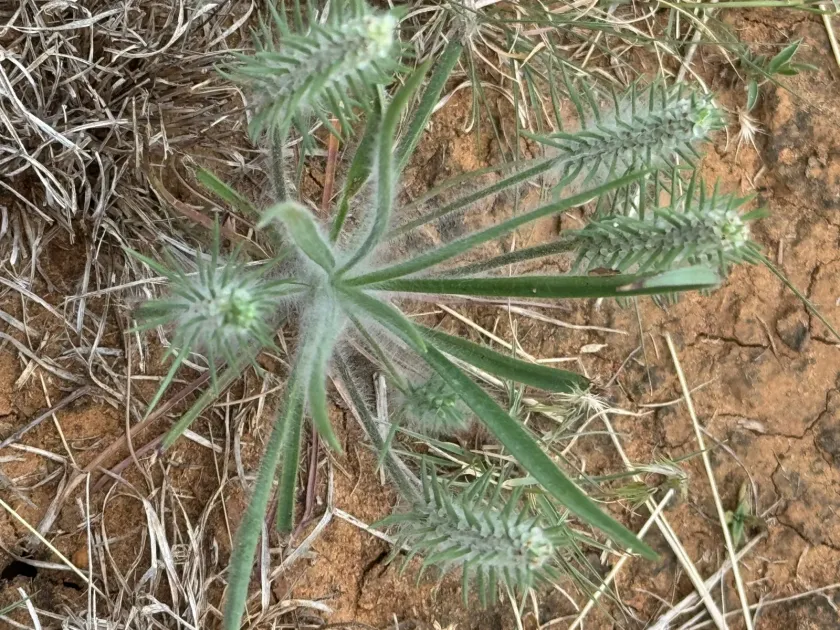
Description
Sowing dates
Plantago aristata is an annual herbaceous plant belonging to the Plantaginaceae family, distinguished by its unique bristly bracts and an annual life cycle that necessitates careful seasonal planning.
The ideal sowing window begins in early spring as soon as soil temperatures reach 10 degrees Celsius, ensuring adequate germination rates for this specific plantain species.
Seeds are exceptionally small and should be sown at a very shallow depth, ideally between 0.5 and 1 cm, to facilitate necessary light exposure for successful emergence.
Seed drilling is the preferred method for commercial cultivation, as it ensures uniform spacing and consistent plant density across the entire field for optimal light capture.
Post-seeding, agricultural rollers are used to firm the seedbed, which improves capillary water movement to the seeds and prevents the soil from drying out too quickly during the germination phase.
Growing requirements
This crop thrives in well-drained, light-textured soils, including sandy loams, where its roots can penetrate deeply without encountering resistance or waterlogging issues.
Exposure to full sunlight is critical for Plantago aristata; shade or competition from taller vegetation drastically reduces biomass production and overall plant vigor.
While the plant shows moderate drought tolerance once established, consistent moisture during the early vegetative stages is required to achieve high-yielding harvests.
The plant prefers slightly acidic to neutral soils (pH 5.5–7.0) and is recognized for its ability to grow in areas with lower nutrient availability, making it useful for reclamation.
Proper field maintenance includes removing aggressive weeds early in the season to prevent them from outcompeting the plantain during its initial slow growth phase.
Yield
The total yield of Plantago aristata is largely dictated by the soil's moisture holding capacity and the timing of nutrient applications during the peak growth period.
In managed forage systems, this plant can contribute significantly to the total biomass, especially when integrated into diverse multispecies pasture mixtures.
Average biomass yields typically range from 10 to 18 tonnes per hectare, though productivity can fluctuate based on local environmental conditions and rainfall patterns.
Harvest timing is a critical management decision; it must occur before the seed stalks become too fibrous, ensuring the forage remains palatable and digestible for livestock.
Seed harvesting requires precision as the seeds mature unevenly; timely swathing or direct combining is necessary to minimize shattering losses in the field.
Main diseases and pests
Fungal pathogens such as powdery mildew represent the primary biological threat, especially in seasons characterized by high humidity and limited airflow through the canopy.
Root rots caused by soil-borne fungi may develop in poorly drained sites, leading to localized plant death and reducing the total stand density significantly.
Invertebrate pests, particularly subterranean larvae of moths and beetles, pose a risk by damaging the root structure and hindering nutrient uptake in developing plants.
Leaf nematodes can cause significant damage by infecting the foliage, leading to chlorosis, stunting, and a reduced capacity for photosynthesis across the plantation.
- Maintain proper field drainage to prevent the buildup of root-pathogenic fungal populations.
- Utilize balanced crop rotations to disrupt the lifecycle of common soil-dwelling pests.
- Monitor field edges for early signs of disease spread to implement targeted management actions.