
Asian plantain
Plantago asiatica L.
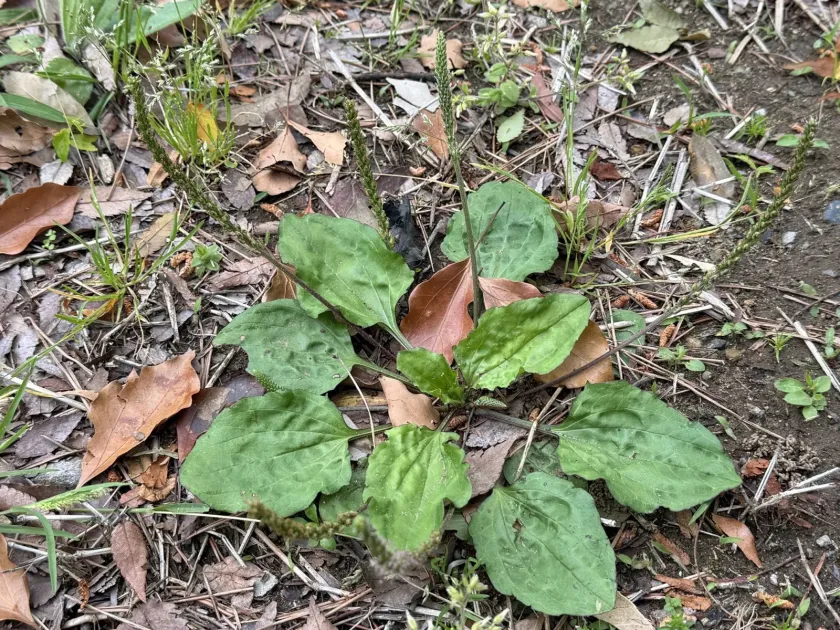
Description
Sowing dates
Sowing of Asian plantain is typically conducted in early spring once the soil temperature consistently reaches 8-10 degrees Celsius. To ensure uniform germination, seeds should undergo stratification or presoaking, which significantly enhances their emergence in field conditions.
Large-scale commercial growers often prefer late-autumn sowing, which allows the seeds to undergo natural winter dormancy. This promotes a stronger and more robust development of the leaf rosette as soon as the spring growth season commences.
The recommended seeding rate is approximately 2-3 kilograms per hectare with row spacing set between 45 and 60 centimeters. Seeds must be planted at a shallow depth of about 0.5-1 centimeter, as they are minute and require adequate contact with soil moisture to initiate germination.
Transplanting is a common method for this crop; seeds are started in nurseries or greenhouses during March, and seedlings are moved to the field once they develop 3-4 true leaves. This approach reduces the initial crop establishment period and improves field survival rates.
Field preparation must prioritize a level seedbed to prevent the wash-away of tiny seeds during irrigation or rainfall. A well-compacted yet aerated surface ensures that the seeds remain exactly where they were sown, promoting consistent stand density across the field.
Growing requirements
Asian plantain is a perennial herb belonging to the Plantaginaceae family, characterized by a hardy root system. While highly adaptable, the plant performs best in full sunlight and requires sufficient space for the leaf rosettes to expand fully.
The crop prefers fertile, loamy, or sandy-loam soils with a neutral to slightly acidic pH. Effective soil drainage is essential, as waterlogged conditions often lead to root rot and other physiological issues that can severely limit production yield.
Before planting, incorporating organic matter like compost or well-rotted manure into the topsoil provides a steady release of nutrients. During the growing cycle, maintaining clean rows through mechanical weeding is necessary to prevent soil crusting and promote better nutrient uptake.
Optimal temperature conditions range from 18 to 25 degrees Celsius for active vegetative growth. Asian plantain is remarkably winter-hardy, allowing it to survive in various climates provided the crown of the plant is protected by adequate soil moisture or snow cover.
Weed control is critical during the first few weeks of plant development. Because Asian plantain has a relatively slow growth rate in its juvenile stage, competitive pressure from fast-growing weeds can significantly reduce plant vigor and total biomass production.
Yield
The yield of Asian plantain is largely dictated by the frequency of harvesting, as the plant can typically support 2 to 3 cuts per season. Under optimal management, a single hectare can produce 8 to 12 tons of fresh green biomass.
Upon drying, the final yield of marketable herbal raw material accounts for about 20-25 percent of the initial harvest weight. Productivity generally peaks in the second and third years as the plants establish deeper and more extensive root systems.
Beyond leaf production, Asian plantain is cultivated for its seeds, which hold significant pharmacological value. Harvesting seeds requires precise timing at the peak of maturity to prevent yield loss due to natural shattering or wind dispersal.
To sustain high productivity over several years, nitrogen-phosphorus fertilization should be applied immediately after each harvest cut. This practice supports the rapid regeneration of the leaf rosettes and maintains the plants' health for consecutive cycles.
Adequate moisture management through drip irrigation can boost overall yields by 30-40 percent in arid regions. Providing water during peak vegetative growth ensures that the leaves remain succulent and retain the highest concentration of bioactive compounds.
Main diseases and pests
Powdery mildew is a primary concern for Asian plantain, especially in dense stands with high humidity. This fungus manifests as a white, powdery coating on leaves, which can reduce quality and potentially kill the foliage if left untreated.
Root rot, caused by poor soil drainage, can result in patchy stands and total loss of individual plants. Adhering to a strict crop rotation schedule—avoiding the same ground for at least four years—is the most effective way to prevent soil-borne pathogen buildup.
Aphids are the most common insect pests, feeding on the tender young leaves and potentially spreading viral infections. Regular monitoring is necessary, and if populations explode, approved insecticides should be applied while strictly observing pre-harvest intervals.
Root-knot nematodes can also suppress plant growth, leading to yellowing leaves and reduced vigor. Control strategies include selecting high-quality, pest-free planting stock and managing surrounding weed hosts that might harbor these pathogens.
Integrated pest management, which includes encouraging natural predators and ensuring optimal plant density for air circulation, remains the best defensive strategy for maintaining healthy and productive plantain fields.
Harvesting
Harvesting usually occurs at the peak of the flowering stage, the time when bioactive compound levels in the foliage are at their highest. Leaves are harvested by cutting or stripping them carefully to ensure the central growing point remains intact.
The ideal time for collection is during the early morning hours, once any morning dew has evaporated. Freshly cut leaves should be transported quickly to drying facilities to prevent heat buildup and fermentation, which can rapidly diminish product quality.
Leaves must be dried in a shaded, well-ventilated area or in mechanical dryers at temperatures not exceeding 50 degrees Celsius. Spread the raw material thinly and turn it regularly to ensure even moisture removal and prevent discolouration.
High-quality dried product should be characterized by brittle petioles and a natural, vibrant color. It should be free from dust, debris, mold, and any signs of insect infestation to meet pharmacopeial standards.
Once dried to the correct moisture level, the plantain should be packaged in paper or breathable containers and stored in a cool, dark, and dry environment. Properly stored, the medicinal quality remains stable for up to 2-3 years.