
Psyllium
Plantago arenaria Waldst. & Kit.
Description
Sowing dates
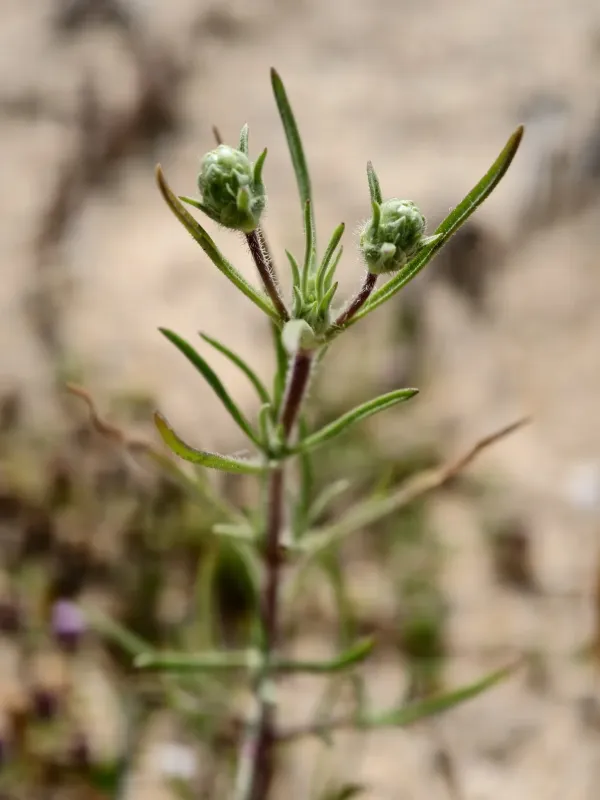
Psyllium (Plantago arenaria), also known as branched plantain, is an annual medicinal herb belonging to the Plantaginaceae family. It is primarily cultivated for its seeds, which are a rich source of mucilage used in pharmaceutical applications.
Sowing is typically performed in early spring once the soil temperature consistently reaches 6-8 degrees Celsius. The seeds are very small, requiring a shallow sowing depth of about 1-2 cm to ensure successful germination.
A row spacing of 45-60 cm is recommended for mechanized cultivation, which allows for effective weed control between rows. The seeding rate must be carefully calculated to ensure optimal plant density per square meter.
Uniformity in sowing is crucial for uniform crop development. After planting, soil compaction through light rolling can improve seed-to-soil contact, especially in lighter, sandier soil textures.
Under favorable spring moisture conditions, germination occurs within two weeks. Maintaining a weed-free seedbed during the initial growth phase is essential for ensuring a vigorous stand of the crop.
Growing requirements
Psyllium is a light-demanding plant that thrives in full sun. It prefers sandy or sandy loam soils, which provide the excellent drainage necessary to prevent root diseases and ensure healthy root system development.
The plant is known for its drought tolerance once established, making it suitable for areas with moderate rainfall. However, it is sensitive to waterlogging, so heavy clay soils with poor drainage should be avoided.
The optimal soil pH range for psyllium is neutral to slightly alkaline. While the crop is not overly demanding in terms of soil fertility, judicious use of phosphorus and potassium fertilizers can significantly enhance seed yields.
Crop rotation plays a vital role in preventing the buildup of soil-borne pathogens. It is recommended not to plant psyllium in the same field for consecutive years, ideally following cereal crops or summer fallow.
Proper aeration of the soil through mechanical cultivation is beneficial for crop growth. This practice also helps in moisture retention and weed suppression during the active growing season.
Yield
The primary economic output of psyllium cultivation is the harvest of mature seeds. Successful seed production depends on consistent weather conditions during the flowering and ripening stages of the plant.
Under optimal agronomic conditions, growers can expect an average yield ranging from 0.5 to 1.0 tonnes per hectare. The quality of the seeds is determined by their physical purity and the concentration of mucilage content.
Timely harvest is critical as seeds are prone to shattering if left too long in the field. Monitoring the crop for uniform browning of the spikes is necessary to decide the exact timing of the harvest.
Post-harvest management involves cleaning and drying the seeds to reach a moisture content of around 12-13 percent. This prevents spoilage and maintains the high quality of the medicinal raw material.
The efficiency of the harvest and the subsequent post-harvest handling processes are key determinants of the overall profitability and marketability of the psyllium crop.
Main diseases and pests
Psyllium crops can be susceptible to various fungal diseases, with powdery mildew being one of the most common, especially in humid and stagnant air conditions. Proper field spacing can help mitigate these risks.
Root rot is a significant concern in fields with poor drainage. Selecting well-drained sandy sites is the primary preventive measure against these soil-borne pathogens throughout the life cycle of the crop.
Insect pests, such as weevils and various larvae, may attack the plant, damaging both the foliage and the reproductive spikes. Regular scouting is essential to identify and manage these infestations before they spread.
Weeds compete aggressively for light and nutrients. Mechanical weeding in the early stages of growth is highly recommended to give the crop a competitive advantage over invasive species.
An integrated pest management approach that combines good cultural practices with selective, authorized biological controls is the most sustainable way to protect the crop yield and ensure environmental safety.
Harvesting
Direct combining is the standard method for harvesting psyllium on a commercial scale. The operation should be performed during dry periods to prevent moisture accumulation in the seed mass.
Machinery settings must be finely calibrated to ensure that the threshing process does not crack or damage the delicate seed coat. Maintaining the structural integrity of the seed is vital for product quality.
Immediately after harvest, the raw seeds must be cleaned of stalks, leaves, and other field debris. This helps prevent heating or mold development in storage bins or bags due to residual moisture.
Drying the seeds at low temperatures, generally not exceeding 40-45 degrees Celsius, preserves the chemical properties of the mucilage. High-temperature drying should be avoided to prevent degradation.
Proper storage in clean, dry, and well-ventilated facilities ensures that the seeds remain viable and potent for pharmaceutical processing for an extended period after the harvest season.