
Buckshorn plantain
Plantago coronopus L.
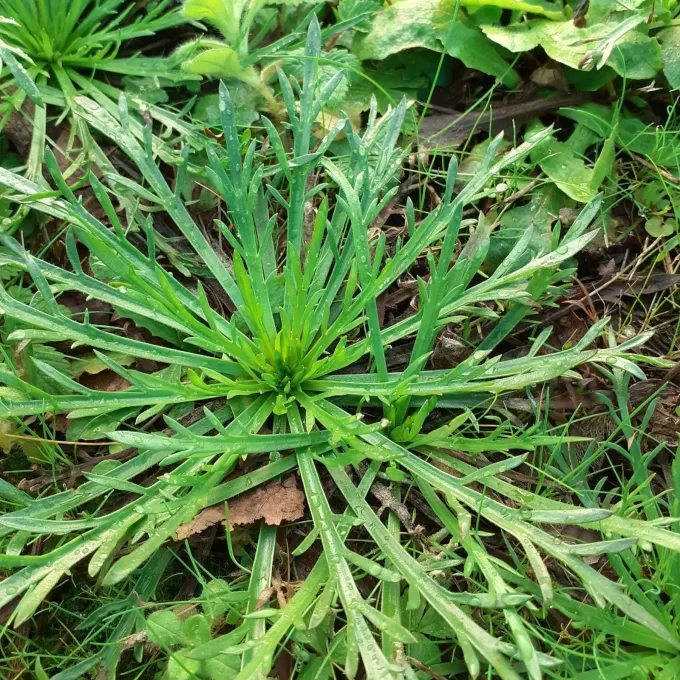
Description
Sowing dates
Buckshorn plantain (Plantago coronopus L.) is a hardy perennial belonging to the Plantaginaceae family, increasingly popular in culinary circles as a nutritious salad green. It is best sown directly into the soil once the ground has warmed to approximately 10-12 degrees Celsius in early spring.
Succession planting is highly recommended for this crop. By sowing seeds every 3 to 4 weeks starting from April through mid-August, gardeners can maintain a steady supply of fresh, tender leaves throughout the entire growing season.
The seeds are exceptionally small, requiring a light hand during sowing. Mixing seeds with a bit of dry sand helps achieve an even distribution across the soil surface, preventing overcrowding and ensuring every plant has room to develop its characteristic rosette.
Seed depth should not exceed 0.5 to 1 centimeter. Covering the seeds with a light layer of soil or fine compost is sufficient. Applying a thin layer of horticultural fleece can further boost germination rates by stabilizing temperature and humidity during the first crucial weeks.
Once seedlings emerge, thin them to a spacing of 15-20 centimeters between plants. Proper spacing is essential to ensure good airflow through the leaves, which minimizes the risk of rot and keeps the rosettes healthy and vigorous.
##requirements##Buckshorn plantain is a highly adaptable species, natively found in coastal areas. This makes it naturally tolerant of salinity and somewhat resilient to poor soil conditions, although it thrives best in well-drained, sandy-loam soils.
The plant requires full sun exposure to reach its maximum flavor and productivity potential. While it can tolerate partial shade, the growth rate may slow down, and the leaves will be less dense compared to those grown in direct sunlight.
Soil pH should ideally be neutral or slightly alkaline. Unlike many other salad greens, this plant does not demand overly rich soil. However, incorporating small amounts of organic compost can improve moisture retention without negatively impacting the plant's structural integrity.
Water management is critical. While the plant possesses drought-tolerant traits, consistent and regular watering is necessary to keep the leaves tender. Avoiding both waterlogged roots and severe dehydration will result in the highest quality produce.
The species exhibits impressive temperature tolerance. It can withstand cooler temperatures and light frosts, making it a reliable crop for late-season production in many temperate climates where more delicate greens might fail.
Yield
The crop is highly productive when managed with the cut-and-come-again method. Initial harvest can typically begin 45 to 60 days after sowing, once the leaves reach about 10-15 centimeters in length.
To maximize yields, carefully harvest only the outer leaves of the rosette. By preserving the central crown, the plant is stimulated to push out new growth, allowing for multiple harvests over a single season from a single set of roots.
Under optimal conditions with balanced fertilization, yields can range between 1.5 and 2.5 kilograms per square meter. The frequency of harvests is the primary driver of total yield, provided the plant is given time to recover between cuts.
It is vital to monitor the development of flower stalks. As the plant shifts energy toward reproduction, the leaves become tougher and more bitter. Removing any emerging flower stalks immediately helps keep the plant in a vegetative state.
For large-scale production, efficient field management, including weed control and precise spacing, ensures that every square meter of the plot contributes to maximum productivity throughout the growing year.
Main diseases and pests
Buckshorn plantain is generally very resistant to common plant diseases. However, in enclosed or poorly ventilated spaces, fungal issues like powdery mildew can arise if humidity levels remain too high for extended periods.
Snails and slugs are the primary pests that affect this crop. They are particularly attracted to the fresh, succulent leaves during damp weather. Using protective barriers or organic deterrents is the best way to safeguard the young plants.
Aphids can occasionally infest the center of the rosettes, sucking sap and causing leaf deformation. If an infestation occurs, treating with mild, food-safe insecticidal soaps is usually effective without compromising the quality of the greens.
Root rot is rarely an issue unless the soil drainage is poor. Ensuring that planting sites are well-prepared with proper drainage layers prevents this issue and keeps the root system healthy and resilient against environmental stress.
Maintaining a clean garden bed by removing weeds and debris significantly reduces the habitat for pests and pathogens. A preventative approach is the foundation of successful, low-chemical cultivation of this species.
Harvesting
Harvesting is best performed in the cool hours of the early morning. Using a sharp knife or garden shears, make a clean cut at the base of the outer leaves while taking care to avoid bruising the plant tissue.
Immediate post-harvest cooling is required to maintain the crispness and nutritional value of the leaves. Even a short period of exposure to high heat after harvesting can lead to rapid wilting and loss of quality.
After cleaning the leaves of any soil, they should be stored in refrigerated conditions between 2 and 4 degrees Celsius. Proper sealing in breathable containers can extend the shelf life to about a week.
Should the intent be to harvest seeds, select the most vigorous plants at the end of the season. Allow the flower stalks to mature fully until they turn brown, then harvest the heads for drying in a well-ventilated area.
Grading and sorting leaves by size before reaching the consumer or market ensures a professional appearance. Only the most vibrant, damage-free leaves are considered top-tier product for culinary use.