
Pilosocereus vilaboensis
Pilosocereus vilaboensis
Description
Growing requirements
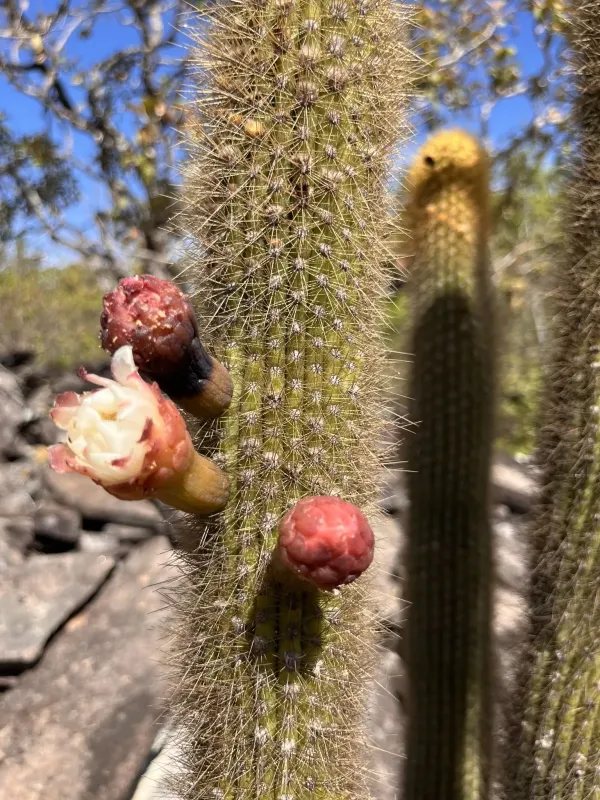
Pilosocereus vilaboensis is a member of the Cactaceae family, known for its distinct columnar growth and unique structural features. This species is native to Brazil, where it thrives in arid, rocky environments and savanna-like habitats.
The plant is highly adapted to high-light intensity conditions, which is crucial for its healthy growth and development. It possesses a thick epidermis that minimizes water loss, allowing it to survive in naturally harsh climate zones.
Regarding soil requirements, this cactus demands excellent drainage. A substrate consisting of a mixture of coarse sand, perlite, and a small percentage of decomposed organic matter is essential for preventing root-related physiological disorders.
The cultivation of this plant involves strict thermal management. During the active growth season, it requires temperatures between 22°C and 30°C. Conversely, the dormant season requires a cooling period to stimulate the plant's natural metabolic cycles.
In terms of economic and practical use, it is a prized ornamental species. It is widely cultivated in specialty nurseries and by hobbyists for xeriscaping projects and as a focal point in indoor cactus collections.
Main diseases and pests
Pathogenic fungi represent the primary threat to this cactus, usually triggered by overwatering or high humidity in stagnant air environments. Root rot and stem necrosis are common clinical signs of poor horticultural practices.
Mealybugs are the most persistent pests affecting Pilosocereus species. They hide deep within the spines and woolly areoles, making them difficult to detect and eradicate without thorough inspection and targeted chemical application.
Spider mites can also cause significant damage in environments with low humidity. These pests feed on the surface tissue, leading to unsightly scars and reduced plant vigor, often requiring regular monitoring and control.
Effective management includes regular cleaning of the growing area and proper spacing between specimens. Chemical control should be implemented early using systemic products to ensure the long-term health of the succulent.
- Maintain appropriate soil drainage.
- Avoid overhead irrigation during winter.
- Perform periodic insect inspections.