
Pilosocereus albisummus
Pilosocereus albisummus
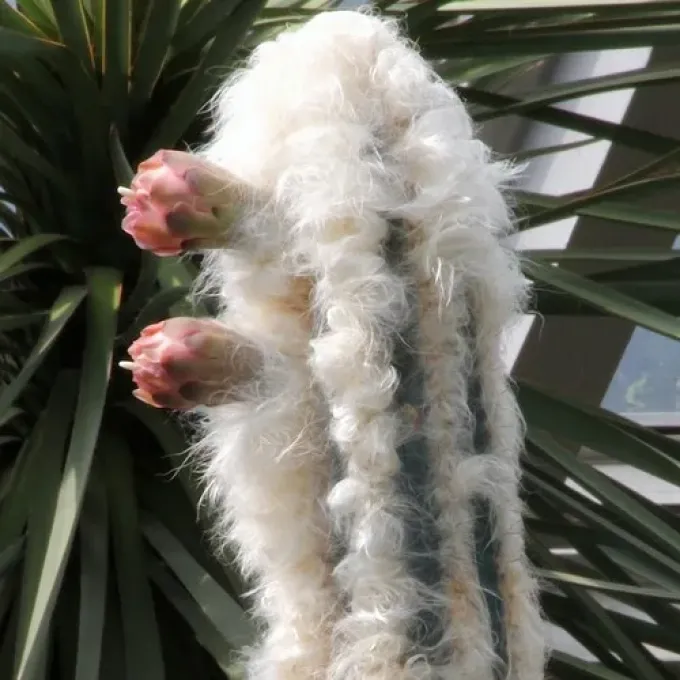
Description
Growing requirements
Pilosocereus albisummus is a notable member of the Cactaceae family, native to the arid rocky terrains of Brazil. This species has evolved to thrive in environments characterized by high temperature fluctuations and poor soil nutrient profiles.
The plant is distinguished by its columnar growth habit and prominent ribs. Its common name, reflecting the white hair at the top (albisummus), serves a critical biological function: shading the apical meristem to prevent damage from intense tropical sun.
Cultivation requires a location with full, direct sunlight to maintain the cactus's robust structure and density of its characteristic trichomes. In greenhouse conditions, supplemental light is often provided to prevent stretching.
The soil profile must be strictly mineral-based with excellent drainage properties. A mix of coarse gravel, perlite, and a small fraction of inorganic substrate is recommended to facilitate rapid water run-off and air circulation around the roots.
Economically, Pilosocereus albisummus is utilized primarily in the niche sector of ornamental horticulture. It is highly sought after by succulent enthusiasts for its aesthetic value and is often showcased in specialized botanical garden displays.
Main diseases and pests
The primary threats to this culture are physiological disorders resulting from improper horticultural practices, specifically over-irrigation. Waterlogging of the substrate leads to rapid onset of root rot and potential bacterial infections.
Common pests include spider mites and mealybugs, which thrive in dry, stagnant air conditions. Integrated pest management, including regular inspection and maintaining good airflow, is essential for sustaining healthy plants.