
Pilosocereus alensis
Pilosocereus alensis
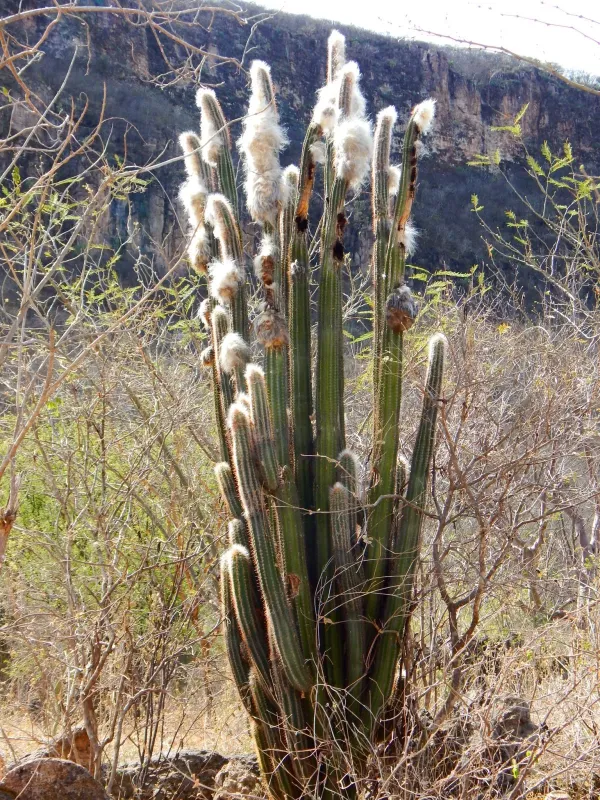
Description
Growing requirements
Pilosocereus alensis is a treelike cactus belonging to the Cactaceae family. This species is native to the arid, rocky regions of the Jalisco state in Mexico, where it has evolved to thrive in high-heat environments with significant diurnal temperature fluctuations.
The culture requires intense solar exposure to maintain its structural integrity and iconic blue-tinted epidermis. In cultivation, it is essential to provide full sun throughout the day, as shaded conditions lead to etiolation and a loss of the cactus's natural vigor and appearance.
The growing medium must be highly permeable. An ideal substrate consists of a mixture of sod soil, coarse sand, and gravel to ensure rapid water drainage. Stagnant moisture near the root zone is strictly prohibited, as it inevitably causes root rot and sudden plant decline.
Temperature requirements involve keeping the plant between 22 and 30 degrees Celsius during the active growing season. During winter, a dry, cool dormancy period with temperatures ranging from 10 to 12 degrees Celsius is crucial to simulate the natural environment and promote future health.
Irrigation should be careful and sporadic. During the summer, water should only be applied once the substrate has dried out completely. In winter, irrigation should be largely suspended to prevent the roots from rotting in cold, wet conditions.
Main diseases and pests
Fungal infections caused by improper watering practices represent the primary threat to the health of Pilosocereus alensis. Brown or black soft spots appearing on the stems are usually indicators of substrate waterlogging, which often leads to irreversible tissue death.
Mealybugs and spider mites are the most common pests affecting this species. Due to the dense hair growth typical of mature specimens, these pests are notoriously difficult to detect and eradicate without thorough and persistent treatment using specialized systemic insecticides.
Maintaining proper air circulation is the best preventative measure against pest infestations and fungal growth. Proper spacing between individual plants and high-quality ventilation in greenhouse settings are critical for the longevity of the collection.
Disease prevention also includes the sterilization of soil mixes prior to planting to eliminate potential soil-borne pathogens. Using sterile tools during propagation is essential to prevent the spread of viral or bacterial infections between cactus specimens.
If root rot is detected, immediate action is required, including the removal of all decayed root tissue and the application of fungicides to the healthy sections. Despite these efforts, recovering from severe rot cases remains challenging for Pilosocereus alensis.