
Pilosocereus chrysacanthus
Pilosocereus chrysacanthus
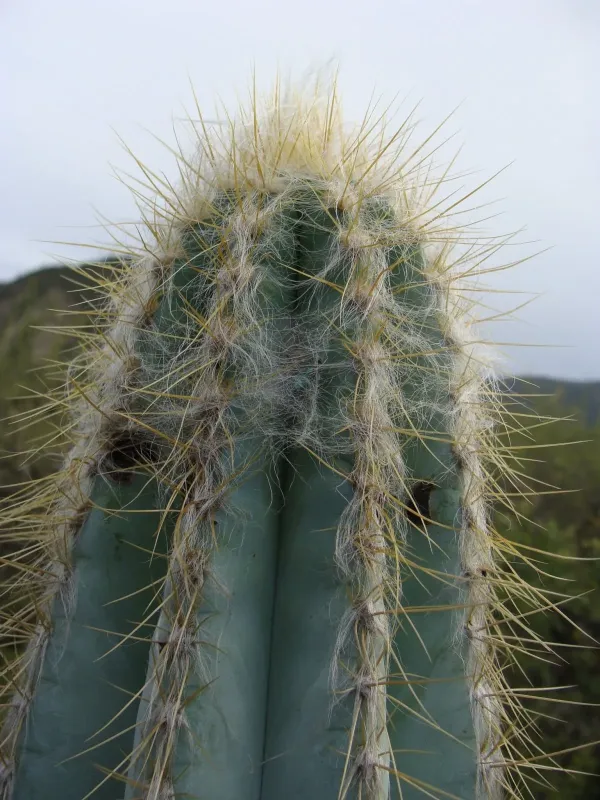
Description
Sowing dates
The cultivation of Pilosocereus chrysacanthus typically begins with sowing seeds in a well-draining, sterile substrate. The seeds should be spread thinly across the surface and lightly covered with fine gravel to maintain optimal humidity without causing seed rot.
Temperature control during the germination phase is vital, with a range of +25 to +28 degrees Celsius being ideal for promoting high germination rates. Using a heat mat can help maintain consistency in substrate temperature during cooler months.
Propagation by cuttings is another effective method, especially for mature, healthy plants. Cuttings should be taken with a sterilized blade and allowed to callous over in a dry, shaded area for at least a week before planting in a loose, sandy mix.
Once planted, cuttings should not be watered for the first few weeks to ensure that the newly formed roots do not succumb to fungal pathogens. After signs of growth appear, a gradual increase in moisture can be implemented.
Young plants benefit from frequent, light repotting to allow the root system to expand fully. Ensuring that each pot is properly sized avoids excess soil that could hold too much moisture for long periods.
Growing requirements
Pilosocereus chrysacanthus is a member of the Cactaceae family, native to the arid environments of Mexico. This cactus thrives under intense, direct sunlight, which is necessary to preserve its vibrant spine coloration and compact growth habit.
The soil requirements prioritize excellent drainage above all else. A professional mix for this species typically includes coarse sand, pumice, and minimal organic matter to prevent compaction and saturation around the roots.
The climate requirements for this plant vary significantly between the growing season and the winter dormancy period. Summer temperatures between +22 and +35 degrees Celsius encourage growth, while a winter drop to +10...+15 degrees Celsius is essential to simulate natural cycles.
Watering should be deep but infrequent during the spring and summer months, allowing the soil to dry out completely between applications. During winter, watering must be halted or kept to an absolute minimum to prevent freezing or decay.
Ventilation is a crucial factor often overlooked in indoor cultivation. High airflow around the cactus stems helps regulate surface temperature and reduces the risk of humidity-related fungal issues.
Main diseases and pests
Root rot is the primary physiological threat to Pilosocereus chrysacanthus, usually resulting from overwatering or inadequate soil aeration. Once rot begins, it can quickly move upward through the stem, necessitating drastic excision of infected tissue.
Pests such as mealybugs and spider mites are common enemies of this cactus. Mealybugs often hide within the dense spine clusters, making them difficult to detect until an infestation is well-established.
Fungal spotting can occur on the epidermis when stagnant, humid air is present for too long. Improving air movement and treating the area with copper-based fungicides can stop the spread of these spots.
Sunburn can occur if the cactus is abruptly moved from low-light conditions to direct sunlight. Gradual acclimatization is necessary to allow the plant to produce protective pigments that shield its tissues.
- Maintain high hygiene standards for potting tools.
- Regularly monitor spine clusters for cottony mealybug deposits.
- Ensure proper substrate acidity to aid nutrient uptake.