
Pilosocereus chrysostele
Pilosocereus chrysostele
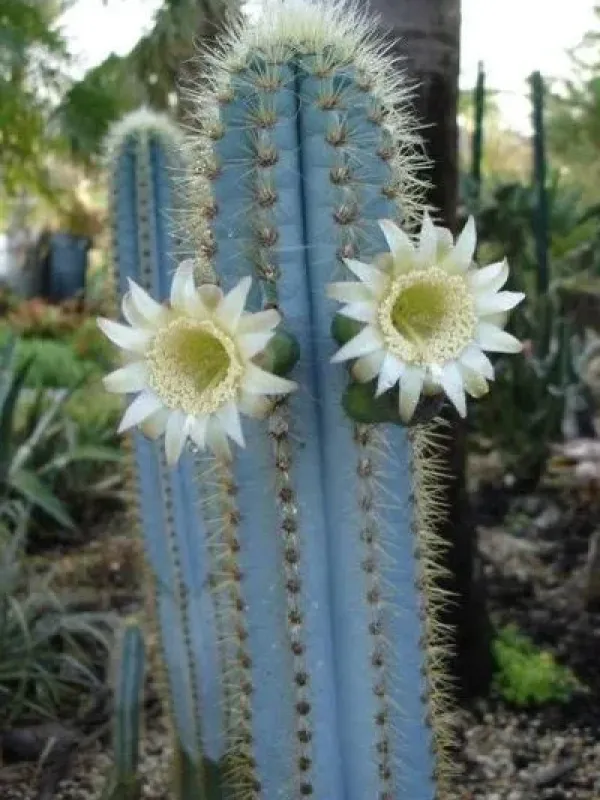
Description
Growing requirements
Pilosocereus chrysostele is an impressive member of the Cactaceae family, native to the arid tropical regions of Brazil. This species is known for its columnar habit and distinct growth pattern, making it a valuable subject for specialized horticulture.
The primary requirement for this crop is an exceptionally well-draining soil mix. A combination of coarse sand, perlite, and mineral-based loam is recommended to ensure that water does not accumulate around the root system, which is a major physiological stressor for this plant.
Sunlight is the most critical factor for the healthy development of Pilosocereus chrysostele. It requires full, direct sun exposure to maintain its compact growth form and to encourage the production of its signature dense spines and healthy epidermis.
Temperature management involves maintaining warmth during the active growing season, typically between 20 and 30 degrees Celsius. Conversely, the dormant period requires a significant cooling trend, where temperatures should be kept cool but protected from frost.
Agrotechnical maintenance focuses on the "soak and dry" watering method. During the growing season, moisture should be provided periodically, but the substrate must be completely dry before the next watering session to simulate the plant's natural habitat.
Main diseases and pests
The most significant threat to Pilosocereus chrysostele in managed environments is root rot, triggered by overwatering or poor soil drainage. If discovered early, the plant must be removed, the affected areas trimmed, and repotted in fresh, dry substrate.
Mealybugs are the most persistent insect pests for this species, as the dense hairs and spines provide an ideal refuge for these insects. Regular inspection of the plant's stem and using systemic insecticides are necessary to manage potential infestations.
Spider mites can also impact the plant, particularly in environments with low humidity and high heat. These pests cause discoloration and scarring of the epidermis, which can permanently affect the aesthetic and structural integrity of the cactus.
Poor ventilation acts as a catalyst for various fungal infections. Maintaining consistent airflow around the plant helps in moisture regulation and discourages the establishment of mold and mildew on the surface of the stem.
Preventative measures are essential, including sterilizing all potting media and practicing strict hygiene in growing areas. Early identification of any stunted growth or color change allows for prompt intervention to preserve the health of the crop.