
Pilosocereus azulensis
Pilosocereus azulensis
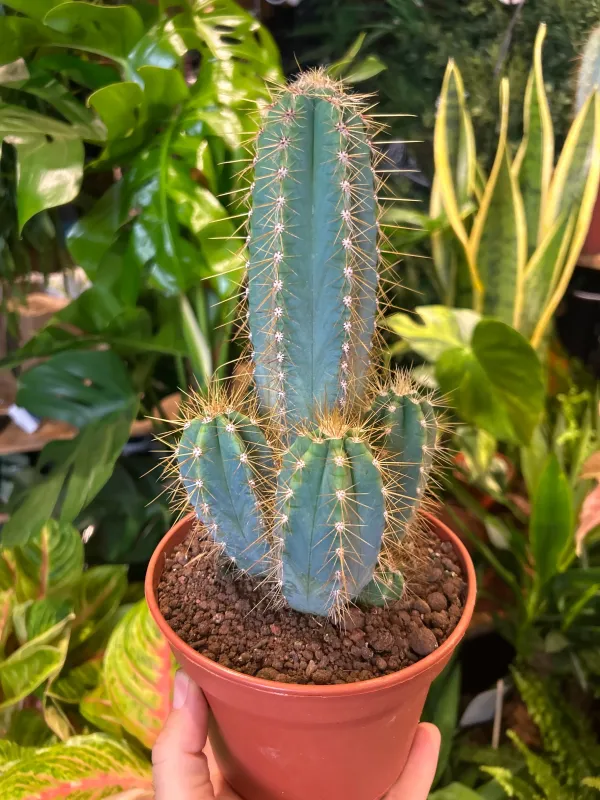
Description
Sowing dates
Propagation of Pilosocereus azulensis is primarily achieved through seeds, which should be sown in a well-draining, sandy substrate during the spring season.
Optimal temperatures for germination range from 22 to 25 degrees Celsius, requiring a consistent, warm environment to ensure a successful emergence of seedlings.
Cuttings can also be used for propagation, involving the careful removal of offsets that are subsequently air-dried to allow the cut surface to callus over.
Rooting the cuttings in dry, pumice-rich soil prevents premature decay and encourages the rapid development of a robust root system before regular watering begins.
Seedlings need protection from harsh direct sun during their first few weeks of life, gradually transitioning to full light as they develop their characteristic spines.
Growing requirements
As a member of the Cactaceae family, this species thrives in bright, direct sunlight, which is essential for maintaining its vibrant blue-toned epidermis.
The soil must be highly porous and mineral-based, typically a mix of loam, coarse sand, and grit to provide excellent drainage and prevent water accumulation.
Watering should be managed carefully, ensuring the substrate is completely dry between waterings, especially during the active growth period in summer.
During winter dormancy, the plant requires a cool, dry environment with temperatures around 12 to 15 degrees Celsius to sustain its long-term health.
Adequate ventilation is critical for this species to avoid physiological stress and to discourage the proliferation of fungal spores in the growing area.
Main diseases and pests
Root rot is the most significant threat to Pilosocereus azulensis, almost always caused by improper irrigation habits or poorly drained growing medium.
Mealybugs are frequently encountered pests that seek shelter in the dense hair or spination of the cactus, requiring systematic monitoring and treatment.
Spider mites may infest the plant during hot, dry spells, causing pale spots and textural damage to the cactus skin if not addressed with proper care.
Scale insects can also attach themselves to the stems, necessitating manual removal followed by appropriate horticultural oil or systemic insecticide application.
Consistent hygiene practices and monitoring for early signs of distress help maintain the plant in a vigorous state and prevent major pest outbreaks.