
Pilosocereus collinsii
Pilosocereus collinsii
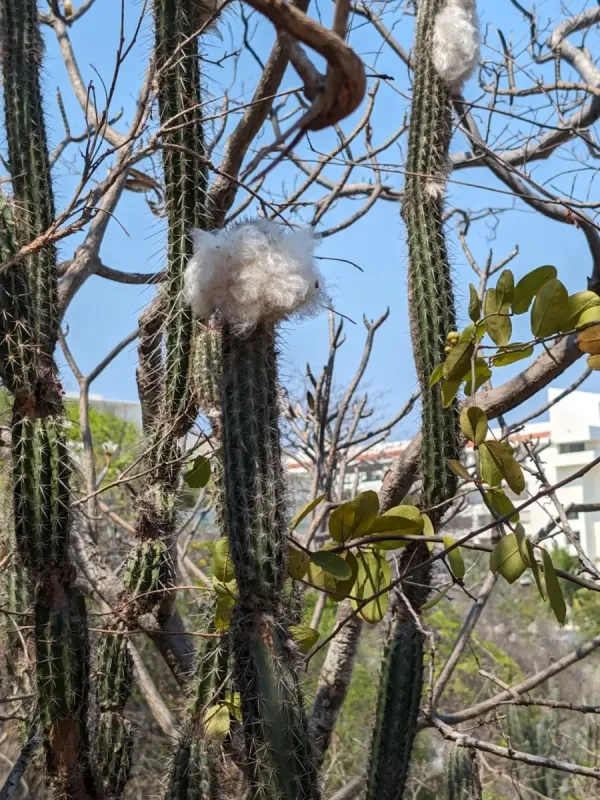
Description
Growing requirements
Pilosocereus collinsii is a notable species within the Cactaceae family, prized for its impressive columnar growth habit. In its natural habitat, it develops a thick, woolly layer that acts as a protective barrier against the intense heat of its native environment.
The origin of this species is linked to the arid landscapes of Mexico, where it grows in rocky terrain. As a cultivated crop, it requires conditions that mimic these sparse environments, primarily focusing on extreme drainage and high exposure to sunlight.
Soil requirements for this cactus involve a highly porous mix. A combination of coarse sand, perlite, and volcanic rock is recommended to ensure that water does not remain stagnant around the root system, which is a common cause of failure in succulent cultivation.
Temperature management is vital: the plant thrives in daytime temperatures between 20°C and 30°C. During the dormant winter season, temperatures should be lowered to approximately 12°C to simulate the natural cooling period required for its healthy life cycle.
Adequate ventilation is just as important as light. Stagnant air inside greenhouses can lead to a buildup of humidity, which promotes fungal infections. Ensuring constant airflow around the stems is a key component of effective crop management.
Main diseases and pests
The primary threats to Pilosocereus collinsii are various forms of rot, typically caused by overwatering or poor soil drainage. These pathogens can destroy the internal structure of the cactus rapidly if not detected at an early stage.
Mealybugs are the most persistent pests for this species. Their tendency to hide within the dense, white "hair" of the cactus makes them difficult to eradicate without systemic treatments that penetrate the woolly coating.
Spider mites can also be a significant issue in hot, dry conditions. They damage the epidermis, causing discoloration and scarring, which diminishes the commercial value of the specimen. Regular misting with light soap solutions or acaricides is recommended.
Integrated pest management involves physical removal of visible pests using alcohol-dipped swabs and chemical control. It is important to avoid aggressive spraying if the plant is in a weakened state to prevent chemical stress.
Maintaining a clean growing environment is the first line of defense. By removing fallen plant debris and keeping the surface of the soil clean, growers can significantly reduce the potential for fungal and insect outbreaks in their cultivation beds.