
Pilosocereus aureispinus
Pilosocereus aureispinus
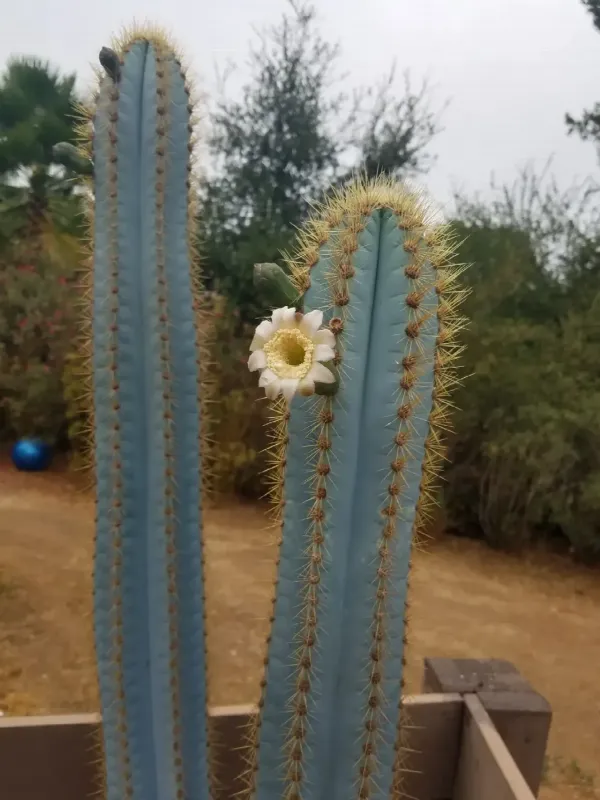
Description
Growing requirements
Pilosocereus aureispinus is a remarkable cactus species from the Cactaceae family, native to the arid landscapes of Brazil. It is valued by cultivators for its striking golden spines and columnar growth habit that makes it a centerpiece in specialized botanical collections.
The primary requirement for this species is intense light. To achieve optimal physiological development and maintain the vibrant color of its spines, the plant should receive direct sunlight or high-intensity grow light exposure for most of the day.
Soil composition must prioritize drainage. A mineral-heavy mix incorporating pumice, coarse sand, and perlite is essential to ensure that water does not remain trapped around the root zone, which is a common cause of failure in cultivation.
Watering should be strictly regulated, mimicking the wet and dry cycles of its natural habitat. During the summer growth season, deep watering followed by a thorough drying period is required; during winter dormancy, water should be withheld to prevent cold-induced rot.
Temperatures should remain warm during the growing season. While the plant can tolerate short periods of cooler conditions, consistent temperatures above 15 degrees Celsius are preferred for healthy metabolism and steady growth rates.
Main diseases and pests
The most significant threat to Pilosocereus aureispinus is moisture-related pathogen infection, specifically root rot, which occurs when the plant is kept in water-logged or excessively rich organic soil.
Mealybugs are the primary insect pests affecting this species. They tend to cluster within the apical hair tufts and spine clusters, making them difficult to detect and eradicate without systemic treatments.
Spider mites can become problematic in low-humidity environments. These pests feed on the succulent tissue, causing chlorosis, stippling, and eventual scarring of the cactus epidermis.
Effective pest management involves regular inspection of the spine clusters and the use of insecticidal soaps or systemic pesticides specifically formulated for succulent plants.
Preventative hygiene, including the sterilization of tools during propagation and ensuring proper air circulation, is critical to maintaining a disease-free environment for this cactus species.