
Pilosocereus armatus
Pilosocereus armatus
Description
Growing requirements
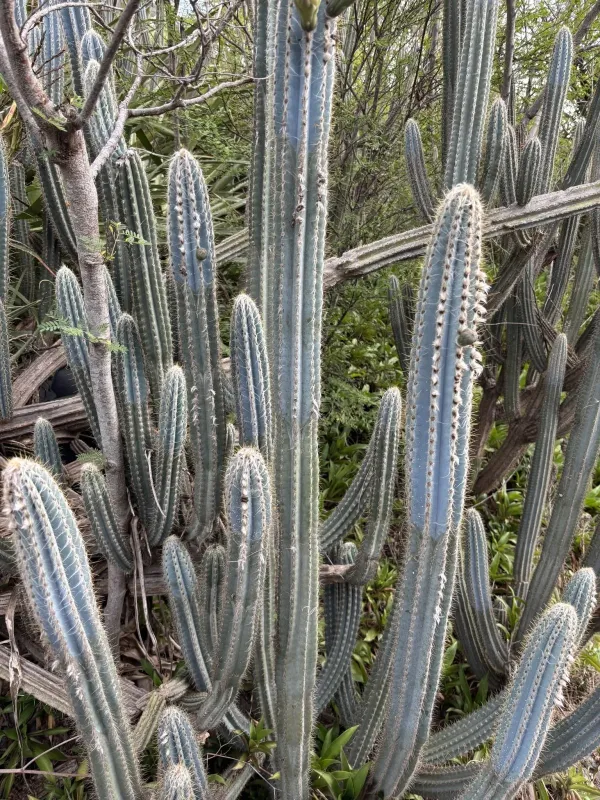
Pilosocereus armatus is a striking columnar cactus belonging to the Cactaceae family. Originating from the arid landscapes of Mexico, it is highly adapted to environments with high solar intensity and prolonged periods of drought.
The botanical characteristics of this species include a robust, branched stem structure covered in spines, which provides essential protection against herbivores and reduces water loss through evapotranspiration in its native habitat.
To achieve optimal growth, the species requires a well-draining mineral substrate that mimics rocky desert soils. The use of gritty mixes, including pumice, perlite, and coarse sand, is critical to prevent water stagnation in the root zone.
Climatic requirements are focused on high light levels and warm temperatures. During the growing season, it thrives in temperatures between 22 and 30 degrees Celsius, requiring ample ventilation to maintain plant health.
Agrotechnical management involves a strict cycle of watering followed by complete drying of the substrate. During the dormant winter phase, water intake should be minimized to prevent fungal growth and physiological stress.
Main diseases and pests
Root rot is the primary physiological threat, usually caused by overwatering or the use of heavy, water-retaining soils that impede oxygen flow to the root system.
Pest pressure from mealybugs represents a significant threat, as these insects can easily hide in the dense spines, making early detection and manual control challenging for growers.
Spider mites can also cause aesthetic and physiological damage, especially in environments with low humidity, by feeding on the epidermis and causing discoloration and stunted growth.
Integrated pest management strategies involve the use of horticultural oils or targeted systemic insecticides during early infestation stages to prevent population outbreaks.
Regular monitoring of the apical growth point and the base of the stem is essential for identifying potential infections early, ensuring the longevity and structural integrity of the specimen.