
Pilosocereus tuberculatus
Pilosocereus tuberculatus
Description
Growing requirements
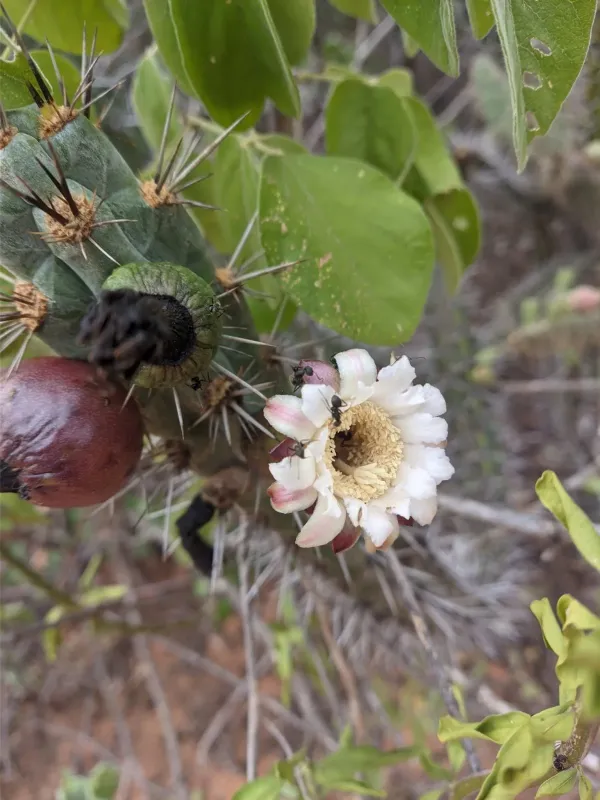
Pilosocereus tuberculatus is a prominent member of the Cactaceae family, known for its distinctive columnar growth habit. Originally native to the arid regions of Brazil, this species has evolved to thrive in rocky environments with limited water availability. Its aesthetic appeal lies in its upright stem structure and the fine hairs found in the areoles.
The primary requirement for this species is high-intensity light exposure. To maintain its natural density and hair development, Pilosocereus tuberculatus needs several hours of direct sunlight daily. In indoor environments, placing the plant in the brightest possible location is essential to prevent morphological deformations and maintain a healthy, compact shape.
Soil composition must prioritize drainage and aeration. A standard potting mix for succulents should be supplemented with inorganic components like pumice, perlite, or coarse gravel. These materials ensure that water passes through the pot rapidly, preventing the moisture accumulation that commonly leads to root suffocation.
Temperature management follows a cycle consistent with its native habitat. During the active growing season, temperatures should range between 25°C and 35°C. During the dormant winter period, the temperature should be lowered to approximately 12°C to 15°C to allow the plant to rest and recover, which is critical for its longevity.
Pilosocereus tuberculatus is primarily used as an ornamental specimen in dry gardens and specialty plant collections. It serves as a visual focal point due to its structural elegance, making it a desirable plant for xeriscaping or indoor displays in regions where climatic conditions allow for its controlled growth.
Main diseases and pests
The most significant threat to the health of this cactus is fungal infection induced by overwatering. Excess moisture in the soil blocks oxygen flow to the roots and creates a breeding ground for pathogens. Visible signs of distress, such as softening at the base of the stem, often indicate advanced rot, which is difficult to reverse.
Pests can significantly compromise the plant's health if not addressed promptly. The most frequent issues identified in cultivation are as follows:
- Mealybugs, which are notoriously difficult to remove from the plant's dense woolly areoles.
- Spider mites, which thrive in dry conditions and damage the surface of the stem.
- Root aphids, which can cause poor vigor and stunting by feeding on the root system.
Effective pest management involves regular monitoring and the use of targeted systemic insecticides. Keeping the area around the cactus clean and ensuring proper airflow can significantly reduce the risk of infestation, ensuring the plant remains healthy and resistant to environmental stress.