
Pilosocereus purpusii
Pilosocereus purpusii
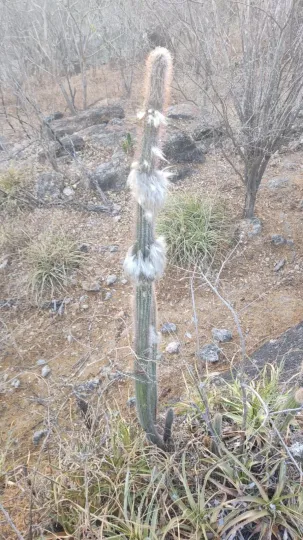
Description
Growing requirements
Pilosocereus purpusii is a distinct species belonging to the Cactaceae family. This columnar, branching cactus is native to Mexico, where it thrives in arid, rocky environments characterized by significant sun exposure and well-draining soils.
To cultivate this plant successfully, one must provide a substrate with excellent drainage, preferably a mineral-heavy mix. The inclusion of grit, pumice, or coarse sand is essential to prevent moisture accumulation around the roots, which is the primary cause of decline.
The plant requires high light intensity to maintain its structural integrity and color. Insufficient light can lead to etiolation, where the stem becomes thin, weak, and loses its natural coloration, making the plant more susceptible to environmental stress.
Temperature management is critical: keep the plant warm during the growing season (spring and summer) and ensure it experiences a cooler, dry period during the winter months. This seasonal variation is necessary to maintain the plant's health and vigor.
Watering should be approached with caution. During the growing period, soak the soil thoroughly and then allow it to dry completely before the next application. During dormancy, water should be almost entirely withheld to prevent rotting.
Main diseases and pests
The primary threats to Pilosocereus purpusii involve pathogens that proliferate in overly damp conditions. Root rot is a common issue when soil drainage is poor or when watering occurs too frequently during cold weather.
Pests such as mealybugs and spider mites are frequent adversaries. Mealybugs often hide within the woolly areas of the areoles, making manual removal or insecticide application difficult. Spider mites tend to thrive in dry, stagnant air conditions.
- Root rot due to overwatering.
- Mealybug infestations in areoles.
- Spider mite damage in dry environments.
- Fungal infections from high humidity.
- Stem dehydration during extreme dormancy.
Maintaining proper air circulation is the best preventive measure against both fungal growth and pest infestations. A clean, sterile potting environment further reduces the likelihood of introducing common greenhouse pathogens to the collection.