
Pilosocereus piauhyensis
Pilosocereus piauhyensis
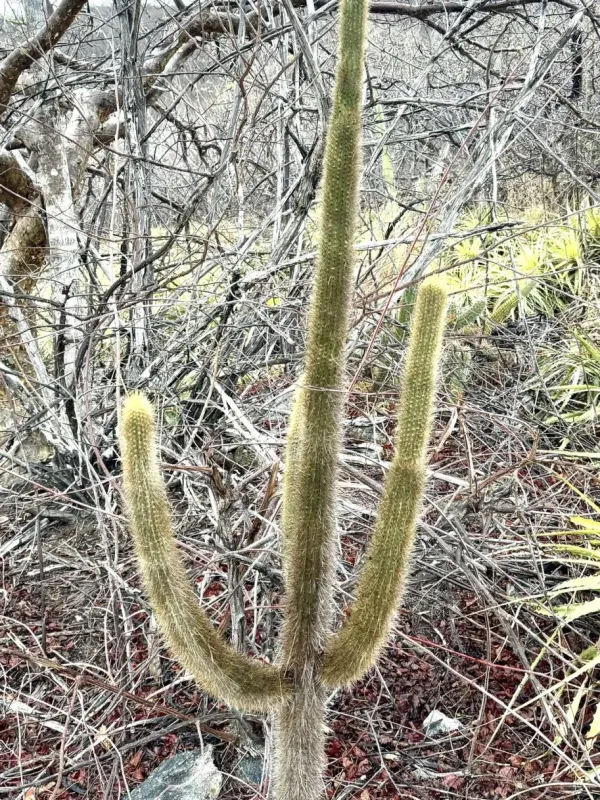
Description
Growing requirements
Pilosocereus piauhyensis is a columnar cactus belonging to the Cactaceae family, native to the arid regions of Brazil. Known for its distinct blue-green stem and dense, often woolly, areoles, this plant has adapted to survive in rocky, nutrient-poor environments with high exposure to direct sunlight.
When cultivated, the primary requirement for this species is high-intensity light. Providing full sun is essential to maintain the structural integrity of the plant and to preserve its attractive, waxy coating, which naturally protects the stem from intense ultraviolet radiation.
The growing medium must be highly porous to ensure rapid drainage. A mixture consisting of 50% coarse mineral aggregate, such as perlite or pumice, mixed with a standard cactus soil blend, is ideal for preventing water retention that can be detrimental to the root system.
Temperature management is crucial during the growing season, with ideal ranges between 22 and 32 degrees Celsius. During the dormant winter period, temperatures should be kept above 12 degrees Celsius to ensure the plant remains healthy and avoids chilling injuries.
Watering should be approached with caution. The "soak and dry" method is recommended, where the substrate is watered thoroughly but allowed to dry out completely between applications. During winter, watering is reduced significantly to mimic the natural dry season of the cactus's habitat.
Main diseases and pests
The most significant threat to Pilosocereus piauhyensis is root rot, which typically stems from poor soil aeration and overwatering. If the substrate remains damp for extended periods, the plant’s internal tissues begin to break down, leading to rapid collapse.
Mealybugs are the most common pest found on this species. These insects thrive in the woolly hairs of the areoles, making them difficult to detect until they cause visible damage. Regular inspection of the plant's apex is essential for early detection.
Spider mites represent another common threat, especially in environments with low humidity. These pests feed on the epidermis, creating unsightly tan scars that do not heal, permanently impacting the visual appeal of the cactus specimen.
Fungal infections can occur if the plant is exposed to high humidity and stagnant air. Implementing a proper airflow system using fans or vents is a necessary agronomic practice to keep the stem surfaces dry and discourage fungal spore colonization.
To maintain a healthy crop, integrated pest management (IPM) should be applied. This includes using organic insecticidal soaps for minor infestations and systemic fungicides only when necessary, ensuring the application is done during the cooler parts of the day to avoid chemical burns.