
Pilosocereus leucocephalus
Pilosocereus leucocephalus
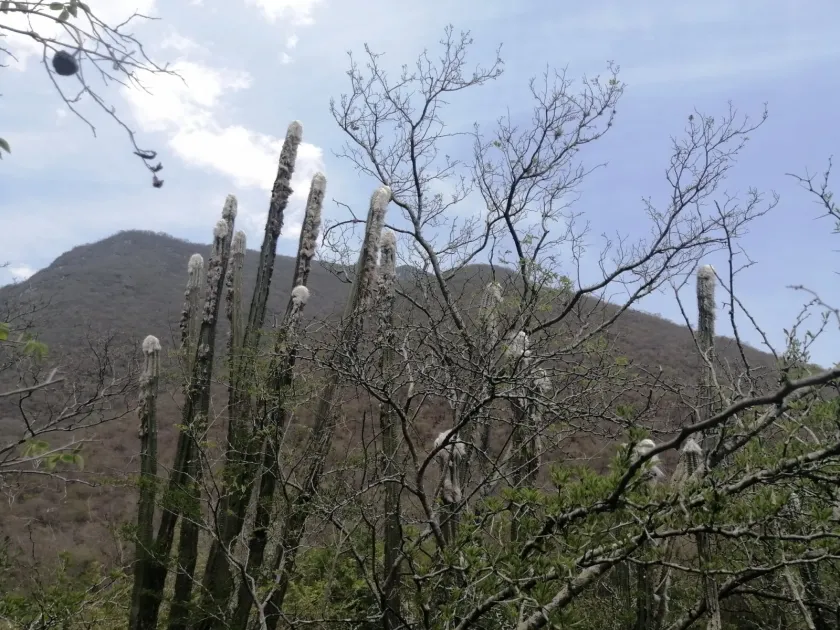
Description
Sowing dates
The propagation of Pilosocereus leucocephalus (family Cactaceae) is primarily conducted via seeds or cuttings. Sowing should ideally take place in early spring to leverage the lengthening daylight, which is essential for uniform germination.
Seeds are placed on a sterile, well-draining substrate mixture consisting of peat and coarse sand. Maintaining a constant temperature of 22–25 degrees Celsius is critical for high germination rates.
During the initial growth stages, high humidity is maintained by covering the sowing containers with transparent material. Once the seedlings emerge, they require gradual acclimatization to lower humidity levels to ensure robust development.
Vegetative propagation is performed in the mid-summer months. Cuttings must be carefully removed and placed in a dry, ventilated area for several days to allow the cut surface to callus before planting in a loose potting mix.
Young plants should be kept away from direct, harsh sunlight initially, transitioning to full sun exposure only after the root system is well-established and the plant shows signs of active growth.
Growing requirements
As a native to the arid regions of Mexico, this cactus is highly adapted to high-light environments. Providing ample direct sunlight is the most important factor for maintaining the characteristic woolly appearance of its areoles.
The soil profile for Pilosocereus leucocephalus must be porous and inorganic. A professional mix usually includes gravel, pumice, and a minimal portion of loamy soil to prevent water retention and root rot.
Climate requirements include warm summers with moderate watering, always allowing the substrate to dry completely between sessions. During the winter dormancy period, temperatures should be lowered to 12–15 degrees Celsius.
Air circulation is vital for this species, as stagnant air increases the risk of fungal infections. Placing the plants in an area with constant, gentle ventilation promotes stronger cell structures and healthier spines.
Fertilization should be kept to a minimum, using low-nitrogen succulent-specific formulas during the growing season to ensure steady and natural growth rates rather than forced, weak development.
Main diseases and pests
Pilosocereus leucocephalus is susceptible to typical succulent pests such as mealybugs and spider mites. These pests hide in the dense white hairs of the plant, making early detection and intervention crucial.
Fungal pathogens, particularly those causing root rot, are the most severe threat to the long-term health of the plant. These are almost exclusively associated with improper watering practices and poor soil drainage.
Insecticide treatment is required when infestations are detected; systemic products are often the most effective for reaching hidden pests within the dense spines and hairs of the cactus.
If rot is detected, immediate action is necessary. This involves removing the cactus from the soil, trimming away diseased tissue, and applying fungicides to the healthy remnants before repotting in sterile, dry substrate.
Maintaining a clean growing environment by removing debris and ensuring adequate spacing between individual plants significantly reduces the risk of pest and disease outbreaks in a professional greenhouse setting.