
Pilosocereus glaucochrous
Pilosocereus glaucochrous
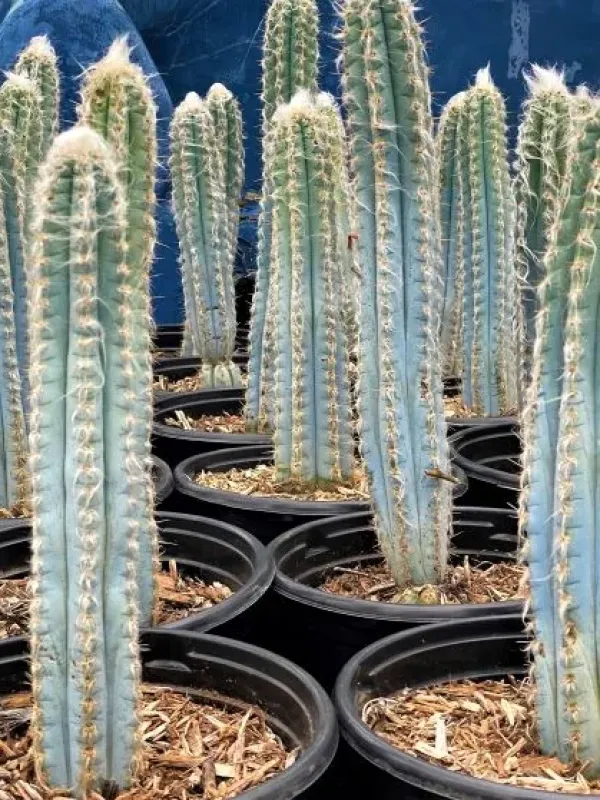
Description
Growing requirements
Pilosocereus glaucochrous belongs to the Cactaceae family and is native to the semi-arid regions of Brazil. Known for its distinct glaucous blue coloration, this columnar cactus thrives in rocky, well-draining habitats where it can adapt to high solar intensity and significant temperature fluctuations.
Cultivation requires a highly porous substrate, typically consisting of a mix of coarse sand, perlite, and volcanic rock. Ensuring excellent drainage is the most critical factor for this species, as stagnant water around the roots rapidly leads to severe physiological damage and plant loss.
Light requirements are intensive: the plant needs full sun or very bright, direct artificial light to maintain its characteristic color and sturdy structure. In low-light environments, the plant becomes etiolated, resulting in weak, elongated growth and a loss of its natural, compact appearance.
During the growing season, temperatures should range between +22°C and +30°C. In the winter, the plant enters a necessary dormant phase. During this time, temperatures should be kept cooler, around +10°C to +15°C, to allow the plant to rest and prepare for the next growth cycle.
Watering should be performed carefully, ensuring the soil is completely dry before adding moisture again. Overwatering is the most common cause of failure in Pilosocereus cultivation, especially during the colder months when the metabolic rate of the plant is significantly reduced.
Main diseases and pests
Root rot is the primary threat to the health of Pilosocereus glaucochrous, often caused by poor drainage or excessive watering. The symptoms often appear late, making it essential to monitor the firmness of the base of the stem and the overall color of the cactus skin.
Mealybugs are the most common pests found on this cactus. They tend to hide within the dense spine clusters or at the growing tip of the plant. Regular inspection is required, and infestations should be treated promptly with appropriate systemic insecticides to prevent damage.
Spider mites can become a problem in environments with low humidity and poor ventilation. These microscopic pests feed on the surface tissues, leaving behind discolored, corky patches that permanently mar the plant's appearance and reduce its photosynthetic capacity.
Bacterial soft rot can occur if the plant is exposed to high humidity and stagnant air. Once tissue begins to rot and becomes mushy, the affected areas must be surgically removed, and the remaining healthy tissue should be treated with fungicides or sulfur-based powders to stop the spread.
Proper sanitation in the greenhouse or growing area is essential for preventing pest and disease outbreaks. Removing plant debris and ensuring adequate spacing between individual plants will significantly reduce the risk of localized infestations and fungal spore distribution.