
Pilosocereus glaucescens
Pilosocereus glaucescens
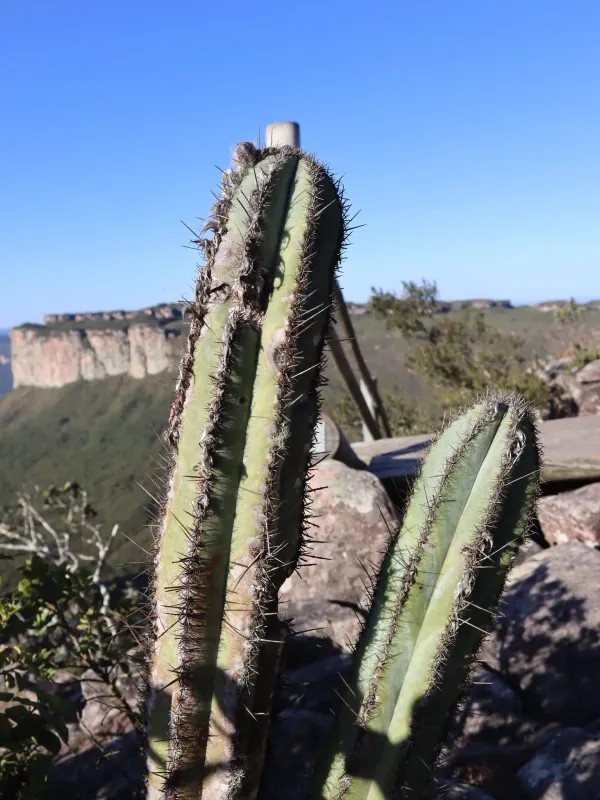
Description
Growing requirements
Pilosocereus glaucescens is a distinctive member of the Cactaceae family, native to the arid regions of Brazil. Known for its tree-like habit and striking glaucous epidermis, it is a highly valued specimen in specialized succulent horticulture.
The cultivation of this species requires high levels of light intensity to maintain its characteristic bluish coloration and sturdy structure. In a controlled environment, supplemental lighting is often used during shorter winter days to prevent etiolation.
Soil composition must be highly inorganic, prioritizing excellent drainage. A mix of pumice, coarse sand, and a minimal amount of organic compost is recommended to ensure that moisture does not accumulate around the root system.
Thermal requirements for Pilosocereus glaucescens are strict, as the plant does not tolerate frost. During the active growth phase, temperatures should remain consistently high, while a drier, cooler period is necessary to induce dormancy.
Beyond its ornamental appeal, this cactus plays a role in bio-diversity conservation within its natural range. Its aesthetic value makes it a subject of international trade in the botanical industry, requiring expertise in proper handling and nursery management.
Main diseases and pests
The most prevalent threats to Pilosocereus glaucescens are moisture-related fungal pathogens, which primarily target the root system. Overwatering, especially during periods of lower light, significantly increases the risk of rot.
Pests such as mealybugs and spider mites are frequent invaders in greenhouse conditions. These pests typically congregate in the protected areas of the areoles, where they feed on sap, leading to stunted growth and disfigurement.
Effective management strategies include the implementation of rigorous hygiene protocols and the timely application of approved pesticides. Integrated Pest Management (IPM) is strongly encouraged to reduce chemical dependency.
Monitoring the plant's epidermis for signs of chlorosis or physical damage is essential for early detection. Any signs of necrosis should be addressed immediately through surgical removal of tissue followed by fungicide application.
Maintaining air circulation around the plants is a critical preventative measure. Proper ventilation reduces humidity levels in the canopy and helps mitigate the conditions favorable for the proliferation of fungal spores and soft-bodied insects.