
Pilosocereus fulvilanatus
Pilosocereus fulvilanatus
Description
Growing requirements
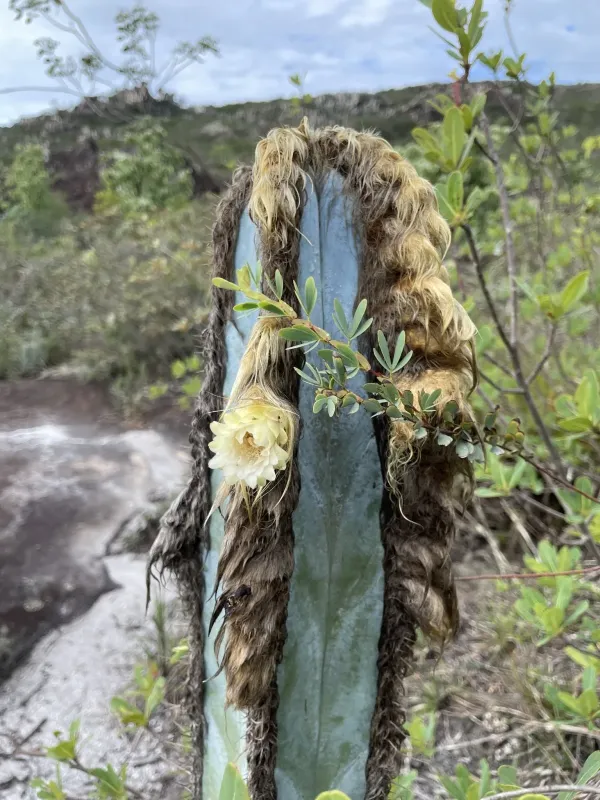
Pilosocereus fulvilanatus is a distinct species of columnar cactus belonging to the Cactaceae family. It is highly valued for its striking vertical growth and the dense, tawny-colored wool that covers its areoles, providing a unique aesthetic appeal.
Native to the arid regions of Brazil, this cactus thrives in environments with high solar radiation. In agricultural and horticultural settings, it requires intense light exposure to maintain its compact growth form and to stimulate the development of its signature hair.
The climate requirements involve warm temperatures, ideally between 22 and 32 degrees Celsius during the growing season. It requires a distinct winter resting period with cooler temperatures, ideally staying above 10 degrees Celsius, to support dormancy.
Soil composition is critical for this species; it must be exceptionally well-draining. A professional mix should consist of coarse sand, perlite, pumice, and a small amount of mineral-rich volcanic soil to prevent compaction and ensure root aeration.
Watering must be approached with caution, adhering to the soak-and-dry method. During the peak of summer, watering should be thorough but infrequent, ensuring that the substrate dries out completely to mimic the natural hydrological cycles of its habitat.
Main diseases and pests
Root rot is the most frequent challenge for Pilosocereus fulvilanatus, typically triggered by overwatering or poorly drained substrates. Once the root system is compromised, the infection can spread rapidly into the main stem.
Mealybugs are common pests that hide within the dense, woolly areoles. These pests are difficult to detect early, so regular monitoring using a magnifying glass is essential to prevent large-scale infestation of the cactus collection.
Spider mites represent another significant threat, particularly in greenhouses with low air circulation. They feed on the tender tissue of the cactus, leaving behind unsightly scarring and making the plant vulnerable to secondary bacterial infections.
Fungal pathogens such as Phytophthora can infect the base of the stem if humidity remains trapped near the soil surface. Utilizing a top layer of grit or decorative gravel helps keep the stem collar dry and prevents contact with moisture.
Effective management includes maintaining a dry atmosphere during the winter months and applying preventative systemic insecticides or fungicides twice a year to ensure the long-term health and vigor of the specimen.