
Pilosocereus floccosus
Pilosocereus floccosus
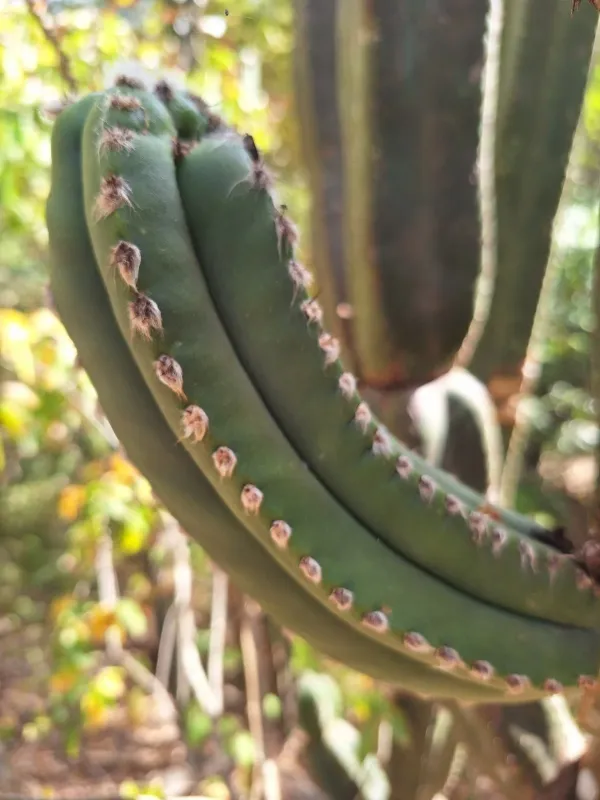
Description
Growing requirements
Pilosocereus floccosus is a striking columnar cactus belonging to the Cactaceae family, native to the diverse landscapes of Brazil. In its natural habitat, it thrives in rocky, well-drained environments, gaining plenty of intense sunlight essential for its structural integrity.
The botanical profile of this culture is defined by its tall, erect stems and its unique, woolly, white hair-like covering in the areoles. This feature makes it highly desirable for collectors of rare and ornamental cacti species.
To ensure optimal growth, Pilosocereus floccosus requires full, direct sun exposure. In greenhouse conditions, supplemental lighting may be necessary during overcast periods to maintain the dense, characteristic white hairs that give the plant its specific appearance.
A highly porous, inorganic-heavy substrate is required for healthy root development. A mixture of horticultural sand, grit, and low-nutrient organic matter is recommended to prevent moisture retention near the root collar, which is a common cause of failure in this species.
The temperature should reflect its tropical origins. While the plant can tolerate some variation, it is sensitive to frost and extreme cold. It performs best in a controlled environment where temperatures remain warm, allowing for steady growth throughout the season.
Main diseases and pests
Root rot is the most significant threat to Pilosocereus floccosus, often triggered by overwatering or poor drainage. Providing a dry, well-ventilated environment is key to avoiding fungal proliferation in the root system.
Mealybugs are the primary pest concern for this species. These insects thrive in the protection of the plant's woolly, hair-covered areoles, making them difficult to detect and treat. Regular inspections are mandatory for early control.
Spider mites can also present a problem in environments with low humidity and stagnant air. If an infestation occurs, specialized acaricides should be used to protect the stem's integrity and aesthetic appeal.
Bacterial or fungal infections usually manifest as dark, soft patches on the stem. If detected, the affected area should be excised using a sterilized blade, and the wound should be treated with fungicides or sulfur powder to prevent further spread.
Cultural success depends on strict adherence to the plant's seasonal needs. During the winter months, when growth slows, irrigation must be significantly reduced to allow the plant to enter a proper dormant stage, thereby reducing disease susceptibility.