
Phyteuma zahlbruckneri
Phyteuma zahlbruckneri
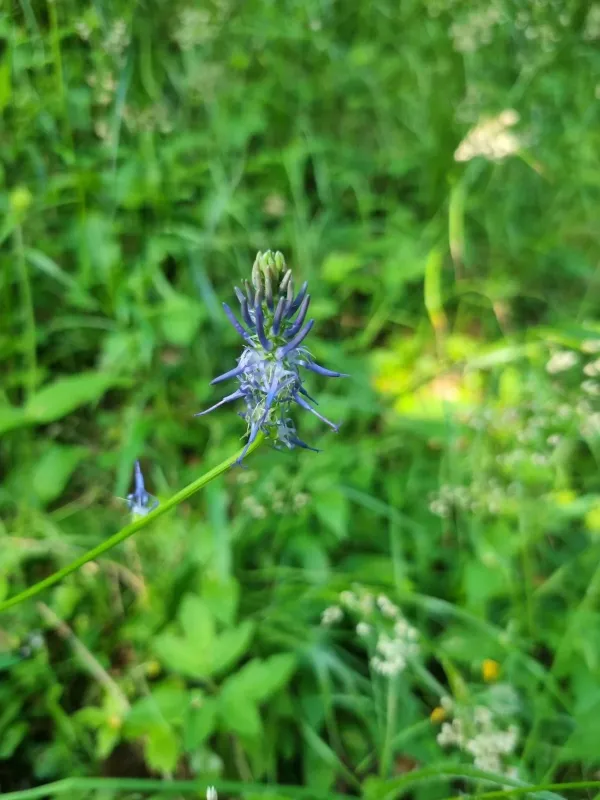
Description
Sowing dates
Sowing of Phyteuma zahlbruckneri seeds is most successful when performed in late autumn, allowing for natural winter stratification to break dormancy.
Spring sowing requires an artificial cold stratification process, keeping seeds at temperatures between 2°C and 5°C for several weeks prior to planting.
Seeds should be sown on the surface of the soil and covered with a very thin layer of fine substrate to ensure they have enough light to germinate.
Maintaining a consistently moist environment is critical during the initial germination phase to prevent the tiny seeds from drying out prematurely.
Once seedlings have developed their second or third set of true leaves, they can be transplanted into individual pots or carefully moved to permanent sites.
Growing requirements
As a member of the Campanulaceae family, Phyteuma zahlbruckneri thrives in mountainous regions and requires conditions that mimic its natural cool habitat.
The ideal soil for this species is a humus-rich, well-draining mixture with a neutral to slightly acidic pH, which supports vigorous root development.
The plant performs best in partial shade, as intense direct sunlight can desiccate the foliage and inhibit its natural physiological processes.
Adequate moisture is required, but it is essential to ensure that water does not sit around the base of the plant to avoid crown rot.
Regular mulching with organic materials can help maintain soil temperature and moisture levels, protecting the shallow root system from extreme fluctuations.
Main diseases and pests
Slugs and snails are the primary pests of this species, often targeting young, tender leaves and stems during moist weather conditions throughout the season.
Root rot caused by stagnant water or compacted soil is a common threat that can quickly lead to the death of the entire plant if left unaddressed.
Powdery mildew can occur if the plant is grown in areas with poor air circulation, particularly in the later stages of the growing season.
Fungal spot diseases may develop if the foliage remains wet for extended periods, necessitating the use of targeted fungicides or improved ventilation.
To keep the plants healthy, it is vital to keep the planting area clean of debris and ensure proper spacing to promote air movement between specimens.