
Ivy-leaved rampion
Phyteuma hedraianthifolium
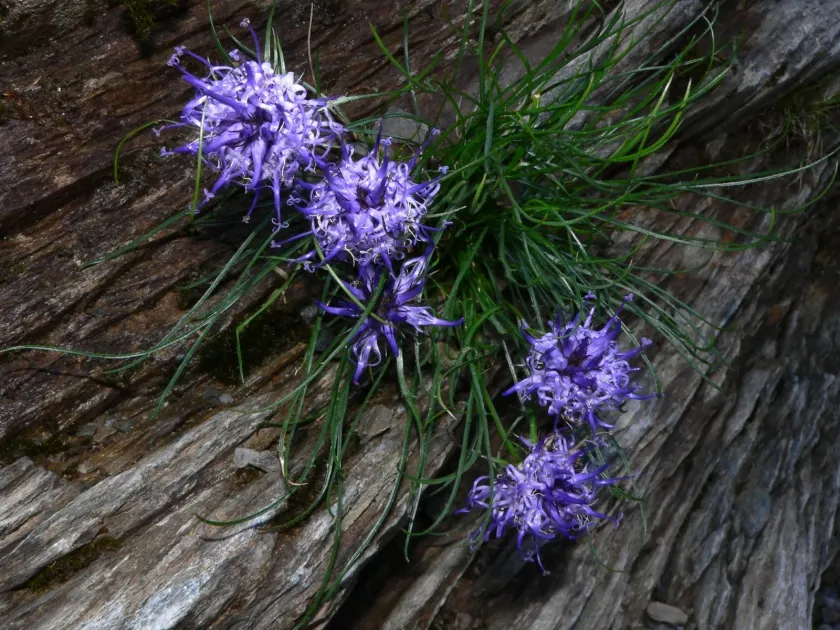
Description
Sowing dates
Sowing seeds of Phyteuma hedraianthifolium is best performed in late autumn or early spring, as the seeds require a period of cold stratification to break dormancy.
The seeds should be sown in a well-draining, sterile potting mix to ensure healthy seedling development and to prevent early-stage damping-off issues.
Light coverage is essential, as the seeds are small and require minimal soil depth for optimal germination rates within the nursery environment.
Seedlings are typically ready for transplanting into garden beds once they have established several sets of true leaves and root systems are robust enough to withstand disturbance.
As a member of the Campanulaceae family, this species thrives when provided with consistent moisture and protection from extreme temperature fluctuations during its early growth stage.
Growing requirements
This plant species demands high light intensity but benefits from afternoon shade in regions with particularly intense summer heat to prevent moisture loss.
Well-drained, gritty, or sandy soils are critical for the survival of this species, as stagnant water is the primary cause of root system failure.
Moderate nutrient levels are sufficient for the Ivy-leaved rampion; excessive fertilization can lead to leggy, weak growth and reduced flowering performance.
The plant demonstrates significant tolerance to wind and cooler temperatures, making it an ideal candidate for high-altitude gardens and alpine rockeries.
Regular maintenance involves removing spent flowers to promote plant vigor and keeping the surrounding soil free of weeds that could compete for resources.
Main diseases and pests
Root rot caused by Phytophthora or Pythium species is the most prevalent threat, often exacerbated by waterlogged soil and poor air circulation.
Powdery mildew represents a common fungal threat during periods of humidity, which can be mitigated by ensuring proper spacing between plants for airflow.
Slugs and snails frequently target the succulent foliage of the plant, potentially causing significant cosmetic and physiological damage if not managed.
Preventative strategies should prioritize integrated pest management, including physical barriers for snails and appropriate spacing to maintain a dry foliage environment.
Chemical intervention with fungicides should be reserved for severe outbreaks, ensuring all application guidelines are strictly followed to protect pollinators.