
Phyteuma hemisphericum
Phyteuma hemisphericum
Description
Growing requirements
Phyteuma hemisphericum is a perennial herbaceous plant belonging to the Campanulaceae family. It is native to the high-mountain regions of the Alps and Pyrenees, thriving in harsh, rocky environments typical of European alpine zones.
The plant requires well-drained, acidic to neutral stony soils to mirror its natural habitat. It is highly adapted to cold climates, making it an excellent candidate for gardeners looking for hardy perennials in cooler, high-altitude regions.
Optimal growth is achieved in locations with full sun exposure. While it is incredibly resilient, it requires careful moisture management; preventing water accumulation around the root crown is essential to ensure longevity and health.
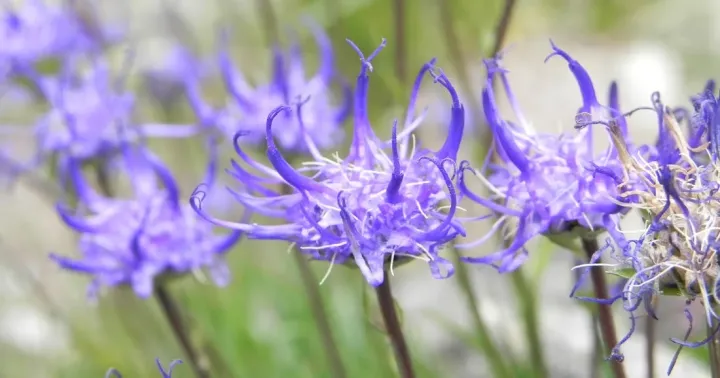
Botanically, it is known for its distinctive globose flower heads composed of dense clusters of small, deep blue to violet florets. Its basal rosette consists of linear leaves, maintaining a neat, compact architectural form throughout the growing season.
In terms of usage, this species is strictly ornamental. It is highly valued in rock gardening, alpine troughs, and specialist collections for its natural mountain appearance and high adaptability to minimalist landscape designs.
Main diseases and pests
The primary threats to this plant are fungal pathogens resulting from poorly drained soil. Root and crown rot are the most frequent causes of plant loss when cultivation conditions are not strictly monitored.
Slugs and snails present a significant pest challenge during the spring, as they graze on the tender green foliage. Protective measures, such as gravel mulching or traps, are necessary to prevent extensive damage.
Inappropriate soil chemistry, particularly high lime content, can lead to iron chlorosis or stunted growth. Maintaining a slightly acidic pH is critical for the long-term vigor of this specific alpine variety.
Competition from aggressive weeds can easily overwhelm these slow-growing plants. Regular weeding is mandatory to allow for proper air circulation around the crown and to provide sufficient sunlight to the foliage.
Environmental stress, such as unseasonably high temperatures combined with high humidity, can weaken the plant. Strategic site selection that ensures good ventilation helps mitigate these risks significantly.