
Betony-leaved rampion
Phyteuma betonicifolium
Description
Sowing dates
Sowing Phyteuma betonicifolium is best accomplished in late autumn, allowing the seeds to undergo natural stratification over the winter months in open ground.
If spring sowing is preferred, seeds should be kept in a moist substrate inside a refrigerator for at least six weeks to break seed dormancy.
Use a well-draining, gritty seed-starting mix to ensure that the delicate roots of the seedlings do not suffer from moisture-related issues early on.
Seeds are tiny and require light for germination, so they should be surface-sown and only lightly pressed into the soil without being covered by a thick layer.
Maintaining consistent moisture is critical during the germination phase; covering the container with glass or plastic helps keep humidity levels steady.
Growing requirements
As a member of the Campanulaceae family, the Betony-leaved rampion originates from alpine meadows and thrives in cool, well-ventilated environments.
The ideal soil is neutral to slightly acidic, rich in organic matter, and must have excellent drainage to prevent root rot during the dormant winter period.
While the plant enjoys full sun, it performs significantly better in cooler climates; in warmer zones, afternoon shade is highly recommended for survival.
Cold hardiness is one of the key strengths of this species, making it an excellent choice for mountainous regions or cold, temperate gardens.
Watering should be moderate, focusing on keeping the soil moist but never saturated, as stagnant water is fatal to this alpine perennial.
Yield
The economic value of this crop is primarily horticultural, as it is a highly sought-after plant for rock gardens and alpine-style landscaping projects.
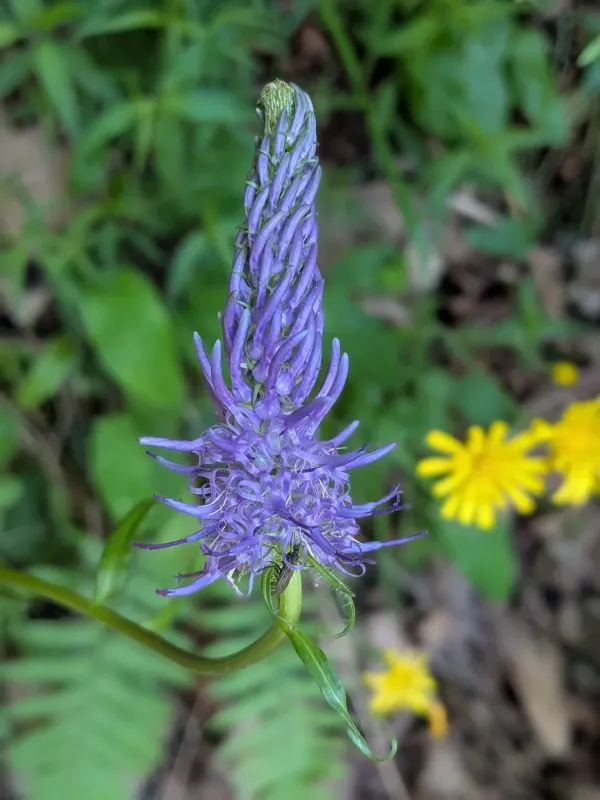
It provides an impressive visual yield in the form of deep blue or violet flower heads that emerge from late spring through the summer months.
For commercial nurseries, the propagation rate is enhanced by dividing mature clumps, which helps maintain the quality and vigor of the stock.
The plant is valued for its compact, tidy basal rosettes, which remain attractive throughout the growing season, contributing to its year-round decorative use.
Well-maintained specimens provide a reliable density of flowers annually, assuming they are not overcrowded by more aggressive-growing neighboring plants.
Main diseases and pests
The primary threats include fungal diseases caused by high humidity and poor airflow, which often manifest as crown rot or leaf spots.
Gastropods, particularly slugs and snails, find the succulent young foliage of this species highly appealing and can cause significant damage in early spring.
Aphids may infest the flower buds during hot, dry weather, requiring gentle mechanical removal or treatment with horticultural soap solutions.
To mitigate disease risk, it is essential to ensure that the crown of the plant is kept dry, often by using a mulch of small stones or gravel.
Regular monitoring during the rainy season is essential to catch early signs of pest activity or rot before the entire plant crown becomes affected.