
Globularia-leaved rampion
Phyteuma globulariifolium
Description
Growing requirements
Globularia-leaved rampion (Phyteuma globulariifolium) is a perennial herbaceous plant belonging to the Campanulaceae family. It is native to the high-altitude regions of the Alps and Pyrenees, where it thrives in rocky, alpine environments.
This species is highly adapted to mountain climates, requiring significant exposure to sunlight and cool ambient temperatures. It is notably hardy but sensitive to high humidity and waterlogging, especially during the dormant winter months.
The cultivation of this plant requires specific soil conditions, specifically well-draining, stony, or sandy substrates. Rich, heavy, or water-retaining soils should be avoided to prevent root rot and ensure the long-term health of the plant.
In terms of maintenance, irrigation should be carefully managed, providing moisture during the active growing season while ensuring the soil dries out sufficiently between watering sessions. Low-nutrient regimes are generally sufficient for this species.
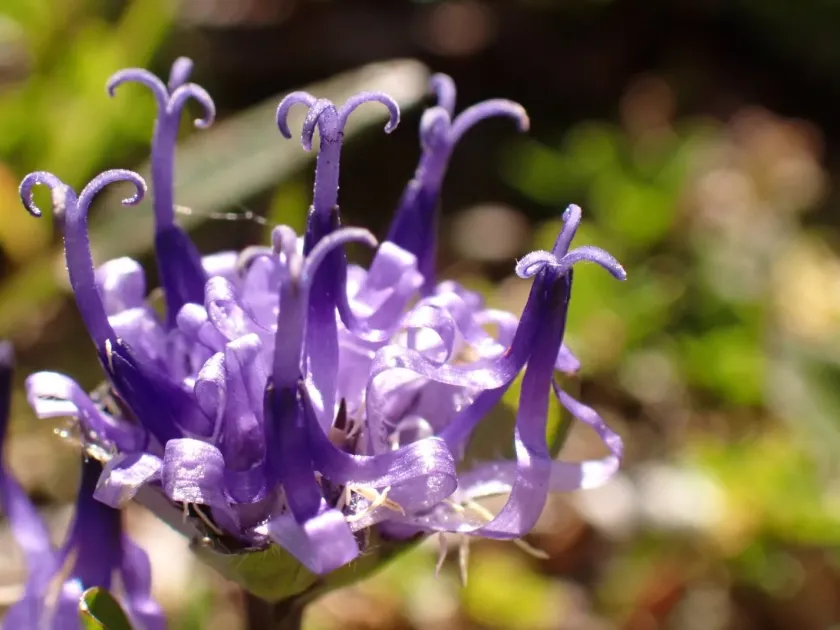
Botanically, it is defined by its basal leaf rosettes and spherical inflorescences comprising small, blue to violet flowers. Due to its slow growth rate and unique appearance, it remains a valued specimen for rock gardens and specialized alpine collections.