
Phyteuma gallicum
Phyteuma gallicum
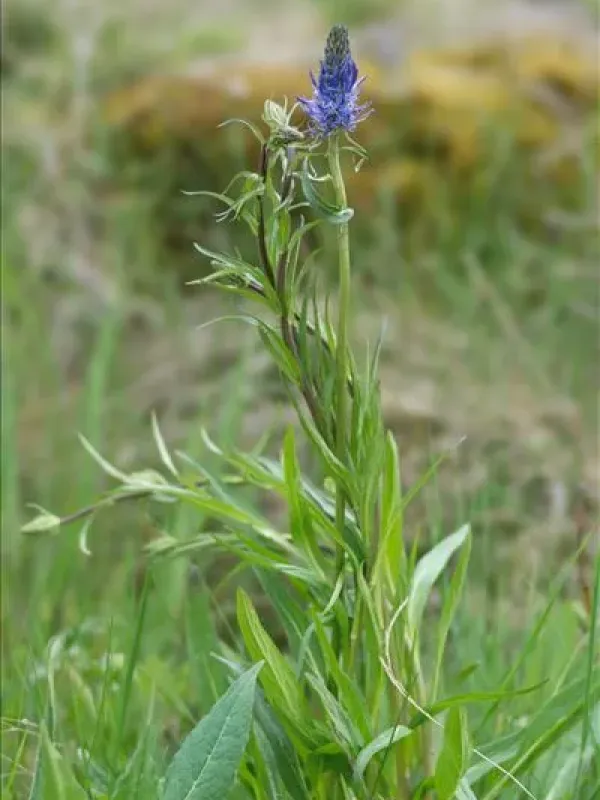
Description
Sowing dates
Sowing Phyteuma gallicum, a member of the Campanulaceae family, is ideally performed in the autumn. The natural freeze-thaw cycles of winter soil provide the necessary stratification for these small seeds to germinate efficiently in spring.
If spring sowing is planned, seeds must undergo cold stratification in a refrigerator for 4–6 weeks. This process mimics the plant’s natural habitat conditions, ensuring a higher germination rate.
The seeds should be sown on a fine, well-draining substrate and barely covered, as they are light-dependent for germination. Keep the soil consistently moist but never waterlogged during the early stages.
Transplanting seedlings to their final location is best done in late spring once the threat of frost has passed. Ensure the plants are gradually acclimatized to outdoor conditions before transplanting.
Spacing is vital for Phyteuma gallicum. Planting them at least 25–30 cm apart helps ensure good airflow around the rosette, which is crucial for preventing dampness-related issues.
Growing requirements
Native to the French mountains, Phyteuma gallicum thrives in conditions that mimic high-altitude slopes. It requires plenty of bright, indirect sunlight, though it can tolerate light afternoon shade.
The soil must be gritty and well-draining, with a neutral to slightly alkaline pH. Adding gravel or pumice to the planting medium is a recommended practice to ensure optimal root health.
The species is remarkably winter-hardy but sensitive to excessive winter wetness. Providing a protective mulch of grit around the crown helps keep the foliage away from cold, damp soil.
Regular but moderate watering is necessary. It is essential to avoid getting water into the center of the leafy rosette, as this can easily lead to crown rot in cooler climates.
Minimal fertilization is required for this plant. A light application of balanced, slow-release fertilizer in early spring is sufficient to support healthy leaf growth and subsequent flowering.
Yield
The productivity of Phyteuma gallicum is primarily defined by the number and quality of its distinctive flower spikes. In a garden setting, a healthy, mature plant can produce a significant display of blooms.
Gardeners seeking to collect seeds should harvest the seed heads once they have dried on the plant. Proper timing is critical to prevent the tiny seeds from dispersing prematurely.
Maximum floral output is usually achieved in the second or third year of growth. Maintaining the vigor of the plant through proper watering and occasional division ensures long-term display value.
While not a traditional cut flower, its architectural spikes can be used in fresh arrangements if handled carefully. They add a unique vertical element to any floral composition.
Consistent care translates into sustained yield. Regular removal of dead or spent flower stalks encourages the plant to maintain its energy reserves for the following season.
Main diseases and pests
The main threat to Phyteuma gallicum is root and crown rot caused by excessive moisture. Ensuring that the site is well-drained and that the foliage stays dry is the best preventive strategy.
Slugs and snails are the most frequent pests, particularly in the spring when new, tender growth is emerging. Protective barriers, such as copper tape or organic slug pellets, are effective deterrents.
Fungal issues, such as powdery mildew, may occur during periods of high humidity and poor air circulation. Providing adequate spacing between plants significantly reduces this risk.
Aphids can occasionally cluster on young flower stems. If an infestation occurs, a mild soap solution or neem oil treatment is typically sufficient to manage the situation without damaging the plant.
Regular weeding is important, as aggressive weeds can compete for nutrients and create a stagnant microclimate around the base of the plant, increasing the risk of disease.