
Phyteuma charmelii
Phyteuma charmelii
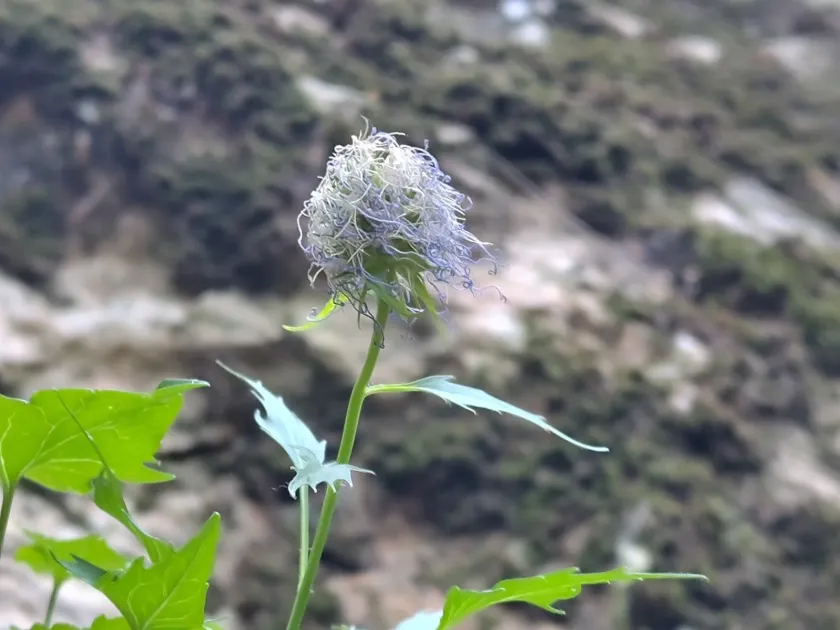
Description
Growing requirements
Phyteuma charmelii is a perennial herbaceous plant belonging to the Bellflower family (Campanulaceae). It is native to the mountain ranges of Southern Europe, where it thrives in alpine and subalpine environments, typically establishing itself in rocky, limestone-rich soils.
The plant is characterized by a basal rosette of leaves and an erect flowering stalk. Its inflorescences are distinct, forming compact heads of small, tubular, blue-violet flowers that showcase unique structural adaptations typical of the genus Phyteuma.
To successfully cultivate this species, it is essential to provide a climate that mimics its native habitat. It requires cool to moderate temperatures and high light exposure, although protection from intense mid-day heat is often beneficial in lowland garden settings.
The soil requirements are strict: excellent drainage is mandatory, as the plant is highly susceptible to root rot in waterlogged conditions. A gritty, mineral-based substrate with a neutral to alkaline pH level provides the best growing medium for the root system to develop healthily.
The primary use of Phyteuma charmelii is in horticultural collections and specialized rock gardens. Because of its rarity and distinct appearance, it serves as an excellent focal point for alpine plant enthusiasts and landscape designers working on mountainous-style garden features.
Main diseases and pests
Pathogenic threats are primarily related to fungal infections triggered by excessive moisture or poor aeration. Root rot and collar rot are the most significant risks, which can be mitigated by ensuring proper drainage and allowing the soil surface to dry out between watering intervals.
Pest problems are largely centered around gastropods, specifically slugs and snails, which can cause significant damage to the lush foliage during the early stages of growth. Implementing protective measures, such as gravel mulching or physical barriers, is recommended to safeguard the plants.