
Phyteuma confusum
Phyteuma confusum
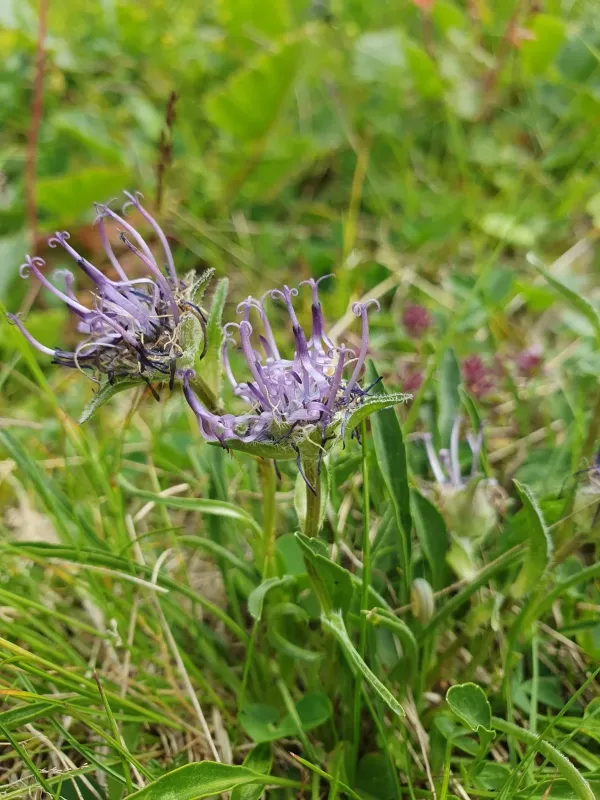
Description
Growing requirements
Phyteuma confusum, commonly known as a type of rampion, is a perennial herbaceous plant belonging to the Campanulaceae family. It is native to the high-altitude mountain ranges of Europe, typically inhabiting rocky crevices and alpine meadow zones.
The plant features distinct clustered inflorescences composed of small, deep blue to violet flowers. Its compact rosette of basal leaves and relatively short stems make it a prized specimen for specialized rock gardens and alpine plant collections.
Cultivation requires conditions that mimic its natural mountain environment. This means preferring cooler summers and avoiding intense, direct midday heat. In garden settings, providing partial shade or northern exposure is highly recommended.
Soil requirements are strict: the substrate must be exceptionally well-draining, consisting of a mix of loam, grit, and limestone chips. The plant cannot tolerate stagnant water, which can quickly lead to rot in its sensitive root system.
Maintenance involves careful monitoring of moisture levels. While the plant appreciates consistent moisture, it requires excellent airflow. Fertilizer usage should be kept to a minimum, as the species is adapted to nutrient-poor rocky soils.
Main diseases and pests
Root and crown rot are the primary threats to Phyteuma confusum, usually triggered by poor drainage or excessive soil moisture during dormant or winter periods. Ensuring a porous substrate is the most effective preventative measure.
Gastropods such as slugs and snails are significant pests that can devastate the lush basal rosettes of the plant. Gardeners should employ traps or barriers to protect the foliage from these nocturnal feeders.
In humid or stagnant conditions, fungal leaf spots may occur. Keeping the foliage dry by ensuring good air circulation around the plants helps in mitigating the risk of pathogen outbreaks during the growing season.
Red spider mites can be a problem during dry, hot spells in late summer. Periodic inspections and misting the plants in the evening can help discourage these pests and maintain the overall vigor of the plant.
Overall, the health of the plant is heavily dependent on maintaining the delicate balance of its alpine requirements. Avoiding synthetic high-nitrogen fertilizers is essential, as these can promote weak growth susceptible to various environmental stresses.