
Phyteuma vagneri
Phyteuma vagneri
Description
Growing requirements
Phyteuma vagneri is a perennial herbaceous plant belonging to the Campanulaceae family. This species is often sought after for specialized horticultural projects and botanical gardens due to its unique appearance and specific environmental needs.
Native to the mountainous regions of Southeastern Europe, the plant is well-adapted to rocky, well-drained soils. In cultivation, it is crucial to replicate these conditions by providing a substrate that avoids compaction and water stagnation, which are major threats to the health of the plant.
The plant thrives in cool, temperate climates and performs best in locations with partial shade. Direct exposure to intense afternoon sun in warmer regions can stress the plant, leading to leaf scorching and overall decline in its vigor.
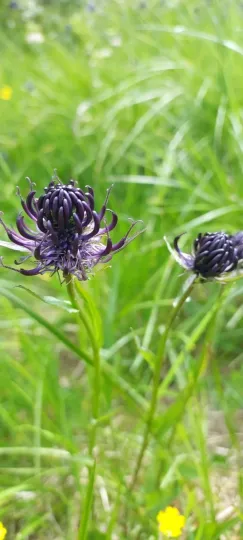
Botanically, Phyteuma vagneri is recognized by its distinct capitate inflorescences composed of numerous small, intense violet-blue flowers. The basal foliage forms a dense rosette, making it a visually appealing candidate for alpine rock gardens or temperate climate landscaping.
While not a traditional broad-acre crop, its role in modern horticulture is significant. It serves as a valuable genetic resource and a decorative asset, highlighting the importance of conserving such specialized plants within commercial and private nurseries.
Main diseases and pests
The most common agricultural threats for this species involve root rot, which is typically triggered by excessive moisture and poor drainage. Providing a gritty, well-draining soil medium is the primary defense against such fungal attacks.
Slugs and snails present a significant pest risk, particularly during the early spring growth phase. These pests can rapidly defoliate the plant, necessitating protective measures such as physical barriers or biological control methods to ensure healthy development.
Leaf spot and powdery mildew can occur if the plant is grown under conditions of poor air circulation and high humidity. Proper plant spacing is essential to reduce microclimate humidity levels and prevent the spread of fungal spores between individual specimens.
Nutrient deficiency, specifically related to trace elements, can manifest as chlorosis. Growers must regularly monitor the soil pH, as this species prefers slightly acidic to neutral soil, and ensure that iron and magnesium are available in the root zone.
Weed management is vital during the establishment phase, as the plant can be easily overwhelmed by more aggressive species. Mulching with inorganic materials like pea gravel helps keep the root zone cool, suppresses weeds, and maintains overall plant hygiene.