
Spiked rampion
Phyteuma spicatum
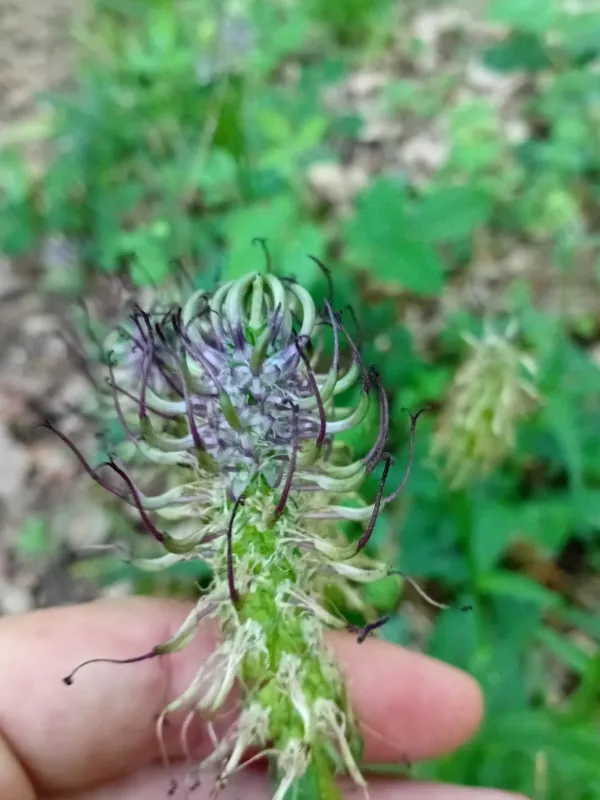
Description
Sowing dates
The seeds of Phyteuma spicatum require a cold stratification period to break dormancy, making autumn sowing the most effective method.
If spring sowing is planned, seeds must be kept in a refrigerator at temperatures between 2°C and 4°C for at least eight weeks before planting.
Given the small size of the seeds, they should be surface-sown on a fine seedbed and pressed lightly into the soil without covering them deeply.
Spacing for seedlings should be maintained at roughly 30–40 cm apart to prevent competition for nutrients and moisture during the vegetative phase.
Germination is often slow and irregular, so utilizing a cold frame or greenhouse helps maintain the stable conditions needed for successful emergence.
Growing requirements
Spiked rampion is a hardy perennial belonging to the Campanulaceae family, native to European woodlands and mountain meadows.
This species thrives in partial shade and requires a cool, humid environment, as it is naturally adapted to forest edges and damp soil conditions.
Soil requirements include high organic matter content, consistent moisture levels, and a neutral or slightly acidic pH for optimal development.
It is winter-hardy and does not require extensive winter protection in moderate climates, although a light layer of mulch can help conserve soil moisture.
Effective cultivation relies on preventing the soil from drying out, which can cause significant stress to the plants and reduce their vigor.
Main diseases and pests
Slugs and snails are the primary pests that damage the foliage, particularly during damp spring periods when the leaves are young and tender.
Root rot caused by pathogens like Phytophthora is a significant risk if the soil becomes waterlogged or if drainage is insufficient.
Powdery mildew may occur if plants are spaced too closely, which restricts airflow and creates stagnant moisture on the leaves.
Aphids can occasionally infest the flower stalks during peak growth, potentially weakening the plant and encouraging secondary infections.
Integrated pest management, including regular monitoring and maintaining good air circulation, is essential for keeping the crop healthy throughout the season.