
Sieber's Rampion
Phyteuma sieberi
Description
Growing requirements
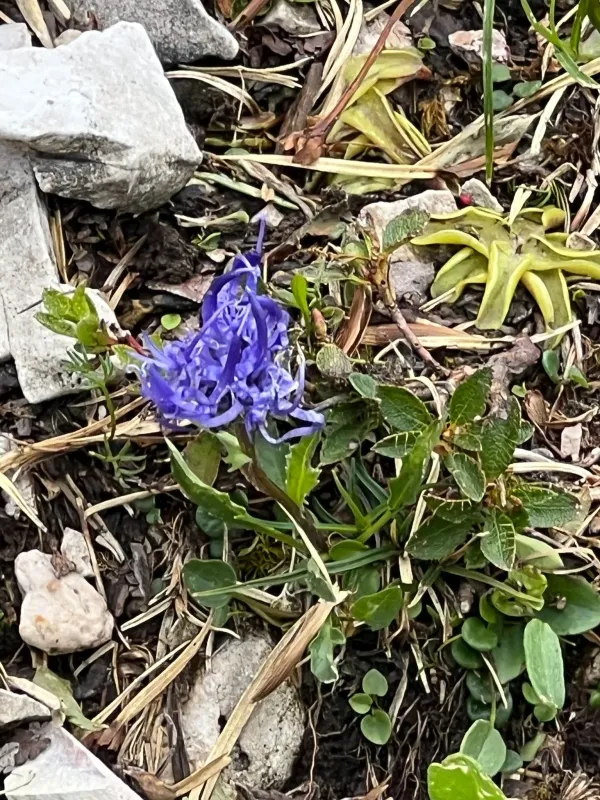
Sieber's Rampion (Phyteuma sieberi) is a perennial herbaceous plant belonging to the Campanulaceae family. It originates from the high-altitude alpine regions of the Eastern Alps, where it thrives in rocky crevices and mountain meadows.
The cultural requirements for this species are specific, as it is adapted to cool, well-ventilated environments with high light intensity. In garden settings, it should be placed in areas that mimic its natural habitat, typically within a rock garden or alpine trough.
The soil must be gritty, lean, and exceptionally well-draining. Heavy clay soils are unsuitable and will cause root death due to moisture retention. A mix of sand, grit, and some humus is considered ideal for healthy plant development.
Watering should be managed carefully; while the plant requires consistent moisture during the growing season, it must never sit in waterlogged soil. Proper drainage is the most critical aspect of the agronomy of this species.
Regarding climate, Sieber's Rampion prefers cool nights and moderate daytime temperatures. In regions with scorching summers, providing shelter from the afternoon sun is essential for the longevity of the plant.
Main diseases and pests
Fungal diseases are the primary threat to Sieber's Rampion, particularly those affecting the root system. Excessive humidity around the collar of the plant usually leads to rapid rot and collapse of the specimen.
Slugs and snails are the most common pests, as they are attracted to the succulent-like foliage of the plant. Protective measures, such as copper bands or physical barriers, are often necessary in wet spring conditions.
Poor air circulation, often caused by overgrown neighboring plants, can lead to outbreaks of powdery mildew. Maintaining adequate spacing is essential to ensure that the foliage remains dry and ventilated.
Improper fertilization, especially with high-nitrogen mixes, leads to weak and succulent growth that is more susceptible to insect attacks and rot. The plant prefers lean soils and requires little to no supplemental fertilization.
Regular monitoring of the planting site is advised to identify early signs of distress. Removing debris from around the base of the plant helps maintain a hygienic environment that discourages the presence of pests and fungi.