
Phyteuma serratum
Phyteuma serratum
Description
Growing requirements
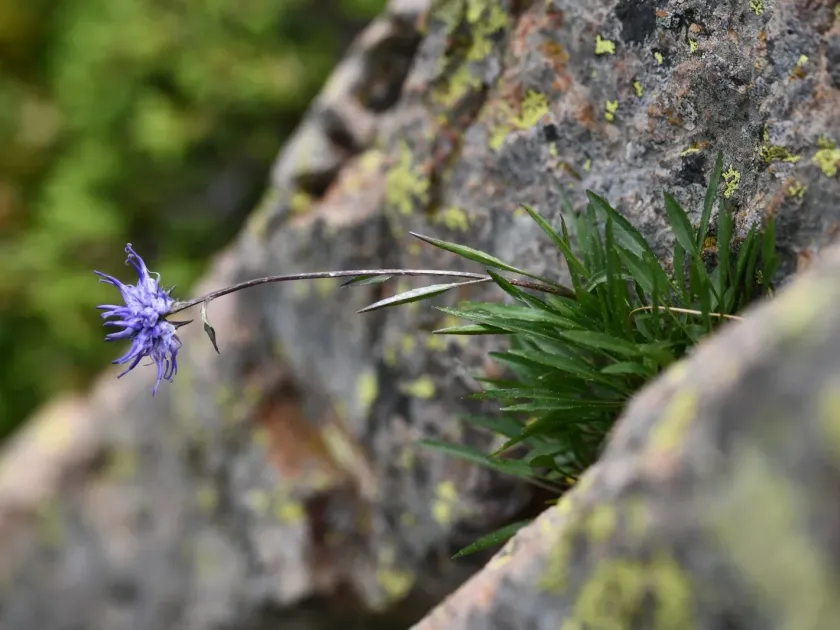
Phyteuma serratum is a herbaceous perennial belonging to the Campanulaceae family. Native to high-altitude mountainous regions, this plant is well-adapted to rocky, impoverished substrates where most typical agricultural crops would fail to establish.
The plant requires an open, well-drained soil structure. In cultivation, it thrives in stony or sandy mixes that mimic its natural habitat. Soil pH should be neutral or slightly alkaline, as excessive acidity often leads to stunted growth and poor health in this species.
Climate requirements for this species are specific: it prefers cool summers and cold winters. It is an ideal candidate for rock gardens or alpine troughs where the temperature at the root zone can be kept stable through mineral mulching and proper positioning.
Light levels are crucial for Phyteuma serratum. While it enjoys a bright environment, it requires protection from the harsh, direct sun typical of low-altitude summer afternoons. Exposure to filtered or morning light is generally the best approach for success.
Water management is the most challenging aspect of its cultivation. While the soil must not be bone-dry, it must never be waterlogged. Drip irrigation or careful manual watering is recommended to keep the substrate slightly moist without drowning the roots.
Main diseases and pests
The primary threats to Phyteuma serratum in a controlled environment are related to fungal pathogens, particularly root rot, which occurs when aeration is insufficient. Keeping the crown of the plant dry is a critical preventative strategy.
Slugs and snails are the most frequent invertebrate pests. They are attracted to the succulent, fresh growth of the foliage and can cause significant aesthetic and physiological damage if not monitored and trapped regularly.
Aphids can occasionally colonize the flower stalks, causing them to deform and lose vigor. If an infestation occurs, it is recommended to use gentle, non-synthetic sprays or physical removal to preserve the plant's delicate tissues.
Leaf spot diseases, caused by various fungal species, can affect the leaves during periods of high humidity and poor airflow. Prompt removal of spotted leaves is the first step in managing these localized infections.
Over-fertilization is a silent threat to this species. Because it is adapted to nutrient-poor soils, excess nitrogen can cause rapid, weak growth, making the plant more susceptible to both environmental stress and pest attacks.