
Rampion (Phyteuma scorzonerifolium)
Phyteuma scorzonerifolium
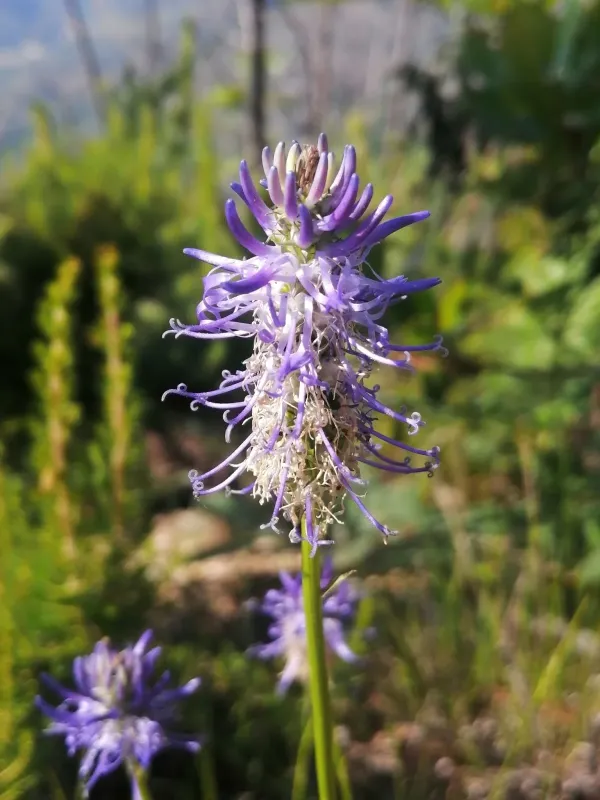
Description
Sowing dates
Phyteuma scorzonerifolium, commonly known as a type of Rampion, belongs to the Campanulaceae family. It is a perennial herbaceous plant valued for its edible roots and decorative inflorescences, often found in subalpine regions.
Sowing should take place in late autumn or early spring. The seeds require a cold stratification process to break dormancy, which is crucial for achieving consistent germination rates in the field or nursery.
Seeds are extremely small and should be sown on the surface of the soil, covered only lightly with a thin layer of sand or fine compost. Maintaining constant moisture is essential during the initial 3–4 week germination period.
The optimal spacing for field production is 20–30 cm apart. This density prevents overcrowding, allows for sufficient airflow, and reduces the risk of fungal diseases, which are common in this species.
Professional growers often use greenhouse starting kits to protect the young seedlings from extreme weather during the first month, transplanting them outdoors once the frost risk has passed.
Growing requirements
The plant thrives in well-drained, loose, loamy soils. High levels of organic matter are beneficial, but the site must be free from waterlogging to prevent root rot, which is the primary challenge in cultivation.
Phyteuma scorzonerifolium prefers a neutral to slightly acidic pH range. Adding grit or coarse sand to heavier soil types is recommended to improve drainage characteristics significantly.
While the plant is hardy and adapted to mountain climates, it requires consistent irrigation during hot summer months to ensure the roots reach their full potential size and texture.
Light requirements are flexible; the plants grow well in full sun but appreciate partial shade in warmer, drier regions to prevent leaf scorching and excessive transpiration.
Regular weeding is critical during the first year of growth. Because the species develops slowly, competitive weeds can quickly overtake the plot and stunt the development of the young plants.
Yield
The primary economic focus of this crop is the edible root, which contains insulin and has a distinct, mild nutty flavor. Leaves are also harvested and consumed in salads, adding a fresh, green component.
Root yields are achieved in the second year of cultivation. Under optimal soil fertility and management conditions, one can expect a stable harvest suitable for niche culinary markets and high-end restaurants.
The leaves can be harvested throughout the growing season. By harvesting only the outer leaves, the plant is encouraged to continue producing fresh growth, extending the harvest period for the grower.
Product quality depends on the timely harvest of the roots before they become too woody. Proper selection of plant varieties and good seed sourcing contribute to higher yields and better consistency.
As a sustainable niche crop, it requires minimal input of fertilizers, relying primarily on healthy soil conditions. The yield is stable and highly valued by those interested in biodiversity and culinary innovation.
Main diseases and pests
Slugs and snails are the most significant pests for Phyteuma scorzonerifolium. These mollusks favor the tender leaves and can destroy young plants if not managed through barriers or manual removal.
Fungal issues, such as powdery mildew or root rot, are linked to high humidity and poor air circulation. Improving drainage and spacing plants correctly are the best preventive measures for healthy growth.
Aphids might occasionally colonize the flower stalks but rarely impact the health of the plant enough to warrant chemical intervention. Biological controls or neem oil sprays are sufficient if necessary.
Crop rotation is a fundamental practice. Avoid planting this species in soil previously used by other Campanulaceae members to prevent the buildup of soil-borne pathogens in the root zone.
In cases of severe infection, immediate removal of the affected material is advised. Maintaining a clean garden environment reduces the overall pressure from common agricultural pests.
Harvesting
Leaf harvesting is done throughout the growing season by hand. Growers should pick the outer, more mature leaves first to maintain the plant's central growing point and encourage continued leaf production.
Root harvesting takes place in late autumn of the second year, when the foliage begins to wither. Garden forks are preferred for extraction to prevent mechanical damage to the delicate roots.
After extraction, the roots are gently brushed to remove excess soil. They should be allowed to dry in a cool, shaded, and well-ventilated area for a short period before final preparation.
For storage, roots can be packed in damp sand and kept in a cool cellar or refrigerator at 0 to 4 degrees Celsius. This helps maintain the moisture content and nutritional value of the produce.
Seeds are harvested once the inflorescences turn brown and dry. They are collected, winnowed to remove plant debris, and stored in a cool, dry place to maintain viability for the following season.