
Phyteuma scheuchzeri
Phyteuma scheuchzeri
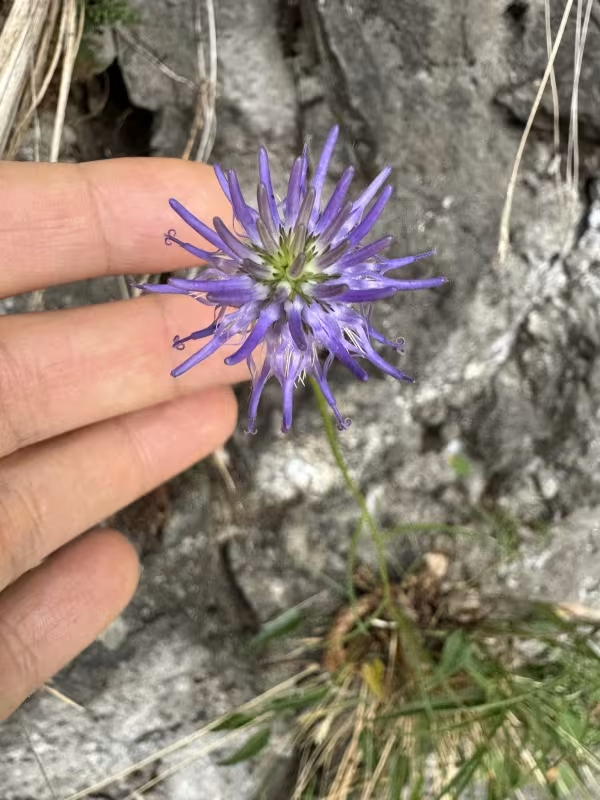
Description
Sowing dates
Sowing seeds of Phyteuma scheuchzeri is most effective when performed in late autumn, as the seeds require a period of cold stratification to break dormancy.
For indoor spring sowing, seeds must be kept in a cold environment at approximately 4°C for several weeks to mimic the natural winter conditions of the Alps.
The seeds should be sown onto the surface of a light, sandy potting mix and covered only by a very thin layer of substrate, as they require light to germinate.
Maintaining consistent moisture is critical during the germination phase, but overwatering must be avoided to prevent damping-off diseases in young seedlings.
Seedlings should be transplanted to their final location in the garden after the danger of severe frost has passed, usually late in the spring season.
Growing requirements
Phyteuma scheuchzeri, commonly known as the horned rampion, is a hardy perennial belonging to the Campanulaceae family, native to mountainous regions.
This plant thrives in full sun but benefits from light shade during the hottest part of the day, especially in gardens located in warmer climate zones.
The soil must be gritty and well-drained, as these plants are accustomed to rocky slopes and will not tolerate heavy, waterlogged, or clay-heavy soils.
A neutral to slightly alkaline pH is ideal for promoting healthy growth, and adding organic matter can help improve nutrient content without compromising drainage.
The species is exceptionally winter-hardy and requires minimal protection in cold climates, provided the root zone remains free from stagnant standing water.
Main diseases and pests
The primary health threats to Phyteuma scheuchzeri are fungal diseases, which are often encouraged by poor air circulation and excessive humidity levels.
Root rot is a major risk in gardens with heavy soil, making proper drainage and the use of gravel mulch around the base of the plant essential preventative measures.
Slugs and snails are the most common pests, as they are attracted to the succulent foliage, particularly during damp weather in the spring and summer months.
Effective pest management involves regular monitoring and the use of barrier methods or eco-friendly deterrents to protect the delicate leaves and flower buds.
Maintaining a clean garden environment by removing dead foliage and debris helps reduce the habitat for pests and limits the spread of potential pathogens.
Harvesting
Phyteuma scheuchzeri is primarily valued for its ornamental appeal, serving as a perfect addition to rock gardens, troughs, and alpine flower borders.
The plant produces distinct, spherical flower heads in shades of blue or violet, which provide significant visual interest from early to mid-summer.
To keep the plants looking their best, gardeners should remove spent flower stalks, which helps to maintain a tidy appearance and prevents unwanted self-seeding.
For those interested in seed collection, allow a few flower heads to mature fully on the plant until the capsules begin to turn brown and dry out.
Collected seeds should be stored in a cool, dark, and dry environment to ensure longevity and successful germination in the following growing season.