
Pyrenean rampion
Phyteuma pyrenaicum
Description
Growing requirements
Pyrenean rampion (Phyteuma pyrenaicum) belongs to the Campanulaceae family. This perennial species originates from the mountainous regions of the Pyrenees, which dictates its preference for specific environmental conditions.
The crop thrives in temperate climates with mild summers. It is best suited for cultivation in locations that provide partial shade, as excessive direct sunlight can cause leaf scorching and heat stress in this mountain-native species.
Soil requirements are strict regarding drainage. It requires well-aerated, fertile loam with a slightly acidic to neutral pH level. Waterlogging should be strictly avoided to maintain the health of the perennial root system.
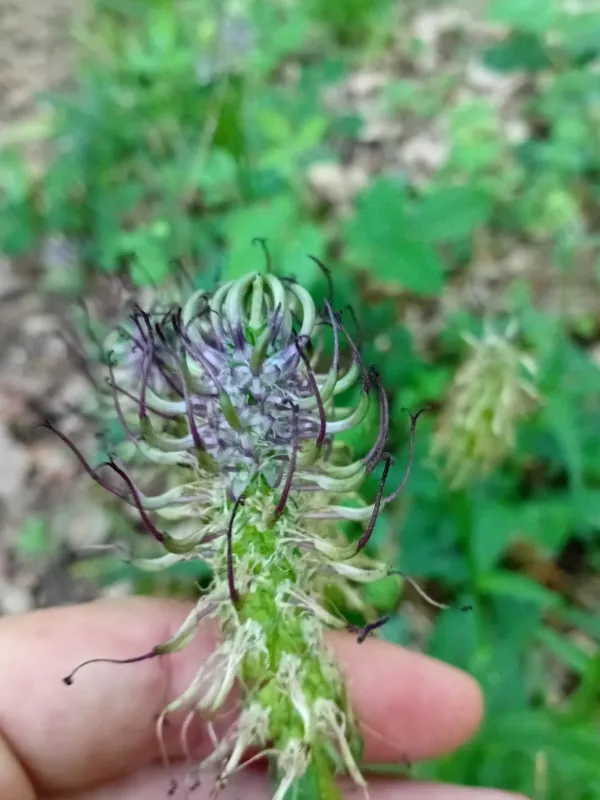
Botanically, it features unique head-shaped inflorescences and basal rosette foliage. It is increasingly studied for its hardiness and potential value in niche agricultural markets, including floral and edible leaf production.
Agrotechnical management requires consistent moisture during the growing season without over-saturating the soil. Mulching is recommended to maintain stable soil temperatures and preserve moisture around the root zone.
Main diseases and pests
Slugs and snails represent the primary threat to young Pyrenean rampion plants. These pests can rapidly defoliate the crop, especially in humid and cool conditions typical for the plant's development.
Fungal pathogens such as powdery mildew may develop if the plant spacing is too tight, limiting air circulation. Proper spacing is essential to keep the foliage dry and reduce the likelihood of disease outbreaks.
Root rot is a common issue in poorly drained soils. If symptoms of wilting or discoloration appear, immediate assessment of soil moisture levels and drainage efficiency is required.
Aphid infestations can occur during periods of low rainfall and heat stress. While these are usually manageable, persistent monitoring is necessary to prevent virus transmission from insect bites.
To minimize threats, implement crop rotation and avoid planting on sites previously occupied by other members of the Campanulaceae family that may host similar soil-borne diseases.