
Dark rampion
Phyteuma ovatum
Description
Growing requirements
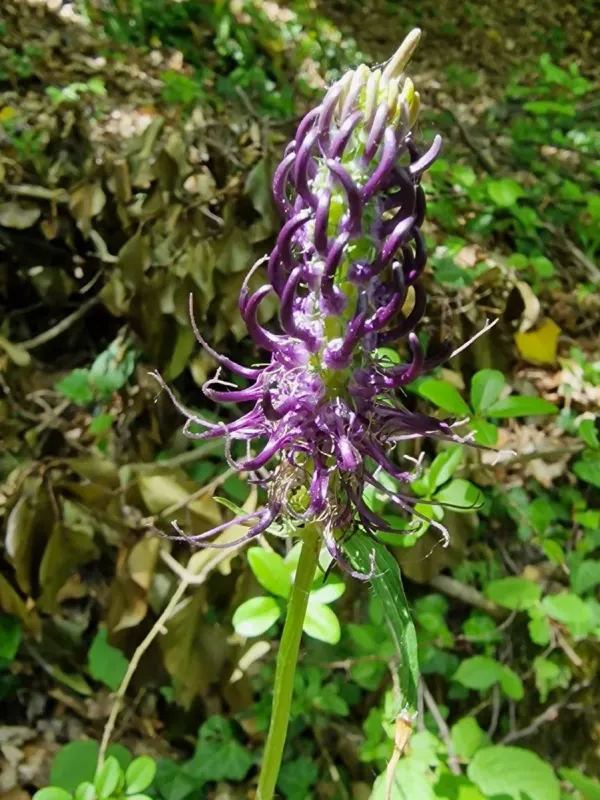
Dark rampion (Phyteuma ovatum) is a herbaceous perennial plant belonging to the Campanulaceae family. It is native to the mountain ranges of Europe, where it thrives in cool, moist subalpine environments.
Botanically, the plant is distinguished by its unique, dense, dark-violet flower spikes that appear atop sturdy stems. Its foliage grows in basal rosettes, providing a lush appearance throughout the growing season.
The crop thrives in soil that is rich in organic matter and maintains consistent moisture without becoming waterlogged. A neutral to slightly acidic pH is ideal for its growth and development.
Requirements for the cultivation site include semi-shaded areas, as the plant is sensitive to the intense heat of direct midday sunlight. Protection from wind can also help in maintaining the integrity of the flower spikes.
Maintenance involves routine weeding and occasional mulching to help the soil retain moisture. The plant is hardy and adapts well to cooler climates, making it an excellent candidate for shaded garden landscapes.
Main diseases and pests
Common threats to Dark rampion include fungal pathogens that thrive in overly damp conditions. Ensuring proper spacing between plants is critical to allow for good airflow and to prevent fungal spread.
Slugs and snails are the most common pests, as they are attracted to the plant's succulent foliage. Manual removal or the use of eco-friendly bait can effectively manage these infestations.
Root rot is a significant risk if the soil lacks adequate drainage. If the leaves show signs of yellowing or wilting, immediate assessment of soil drainage and moisture levels is recommended.
To keep the plants healthy, it is advised to remove spent flower heads to prevent disease and encourage potential regrowth. Sanitary practices in the garden are essential to stop the spread of viruses.
Monitoring the plant health during wet periods is essential. By providing the right microclimate, gardeners can minimize the need for chemical interventions and maintain a sustainable growing environment.