
Round-headed rampion
Phyteuma orbiculare
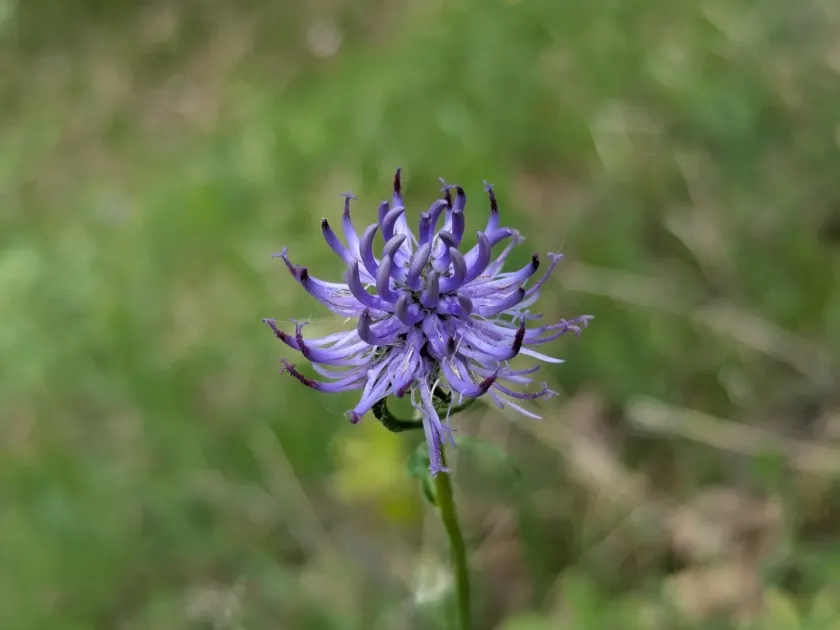
Description
Sowing dates
Seeds of the round-headed rampion are best sown in late autumn to ensure they undergo a natural cold stratification period necessary for successful germination.
In a controlled greenhouse environment, seeds should be sown in early spring, keeping temperatures low to mimic natural conditions for the seeds to wake up.
It is important not to cover the seeds with too much soil, as light is a beneficial trigger for the development of these small, delicate alpine seeds.
Once seedlings have developed their first true leaves, they should be carefully pricked out into individual pots to allow room for strong root growth.
Final transplantation into the garden plot should occur once the soil has warmed sufficiently, ensuring the plants have established a sturdy root system.
Growing requirements
The round-headed rampion belongs to the Campanulaceae family and thrives in well-drained, lime-rich soils typically found in rocky or mountainous terrain.
This species prefers a position in full sun or light shade, provided the soil remains moist but never waterlogged, which is vital for long-term health.
Given its native alpine habitat, the plant is quite hardy but requires careful management of soil pH levels to prevent the environment from becoming too acidic.
Irrigation must be consistent throughout the growing season, particularly when the flower heads are forming, to prevent the plant from wilting prematurely.
Mulching around the base of the plant can help regulate soil moisture levels and provide essential protection against extreme summer temperature fluctuations.
Main diseases and pests
Slugs and snails are the most frequent pests, often consuming the tender foliage and young buds during damp weather conditions in the garden.
Poor soil drainage can quickly lead to root rot, a serious fungal issue that can compromise the health of the entire plant within a short period.
Aphids can occasionally attack the clusters of flowers, necessitating a gentle approach to pest control to avoid damaging the delicate ornamental blossoms.
Powdery mildew is a risk in crowded plantings where airflow is restricted, leading to white spots on the leaves and diminished overall vigor.
To keep the plants healthy, it is essential to ensure adequate spacing, which promotes good air circulation and reduces the likelihood of disease outbreaks.