
Dark rampion
Phyteuma nigrum
Description
Sowing dates
Seeds of Phyteuma nigrum require a cold stratification period to germinate effectively, which is why sowing is recommended in late autumn or early winter.
If sowing indoors, utilize seed trays with a sterile, well-draining potting mix, placing them in a cold frame to simulate natural seasonal changes.
The seeds are extremely small; therefore, they should be scattered on the soil surface and only lightly pressed down without being covered by deep soil layers.
Germination usually occurs in early spring, requiring consistent moisture and temperatures fluctuating between 10 and 15 degrees Celsius for best results.
Once the seedlings develop two or three pairs of true leaves, they should be carefully pricked out and transplanted into larger pots to grow stronger.
Growing requirements
As a member of the Campanulaceae family, the Dark Rampion thrives in cool, moist, and nutrient-rich soils with a slightly acidic to neutral pH level.
The plant performs best in partially shaded locations, as direct scorching midday sun can damage its delicate, deep-colored foliage and flower stems.
Adequate soil moisture is critical; however, the root system must be protected from waterlogging, which often leads to rapid decay of the plant crown.
Fertilization with a balanced, organic-based liquid feed during the early spring growth flush provides the necessary nutrients for vibrant development.
Mulching the soil around the plants with organic compost helps retain moisture and keeps the roots cool during the intense heat of mid-summer.
Main diseases and pests
Slugs and snails are the most significant pests for this species, often targeting young, succulent leaves during damp and cloudy weather conditions.
Powdery mildew can become a concern if the plants are spaced too closely together, preventing proper air circulation and increasing local humidity.
Root rot, caused by Phytophthora or Pythium species, frequently occurs in heavy, poorly drained clay soils that stay saturated for prolonged periods.
Aphids might congregate on the flower buds; although usually not fatal, they can significantly reduce the overall aesthetic appeal of the plant.
Good garden hygiene, such as removing fallen leaves and debris, is essential to minimize the risk of overwintering pathogens and pest populations.
Harvesting
Phyteuma nigrum is primarily cultivated for its aesthetic value in garden borders, rock gardens, and naturalistic landscape plantings across temperate regions.
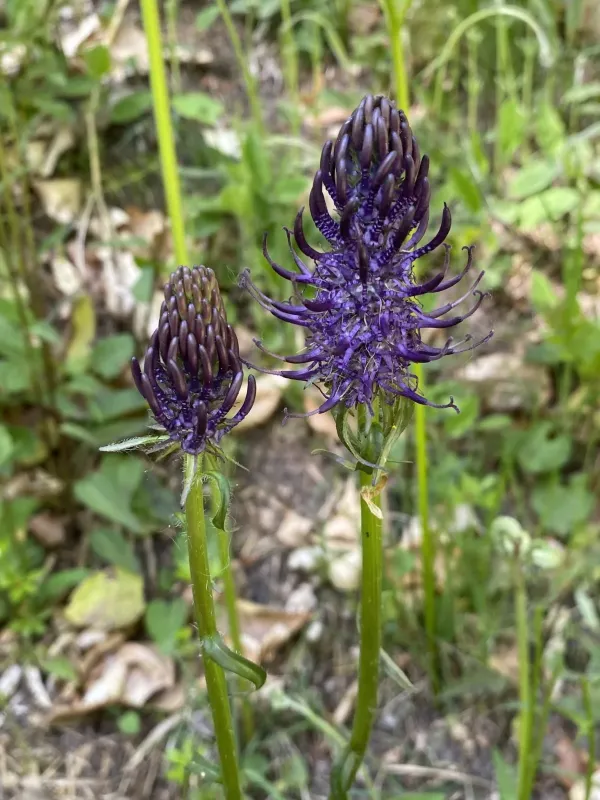
The distinct dark purple, almost black, flower spikes are highly valued in cut-flower arrangements, providing a unique architectural element to bouquets.
Seed harvesting should be performed as soon as the capsules show signs of drying, usually in late summer, to prevent the seeds from scattering naturally.
Pruning of spent flower stems is recommended to encourage the plant to redirect its energy toward root development rather than seed production.
Consistent care after the main flowering season ensures that the plants remain vigorous and continue to provide structural beauty in the garden for years.