
Micheli's Rampion
Phyteuma michelii
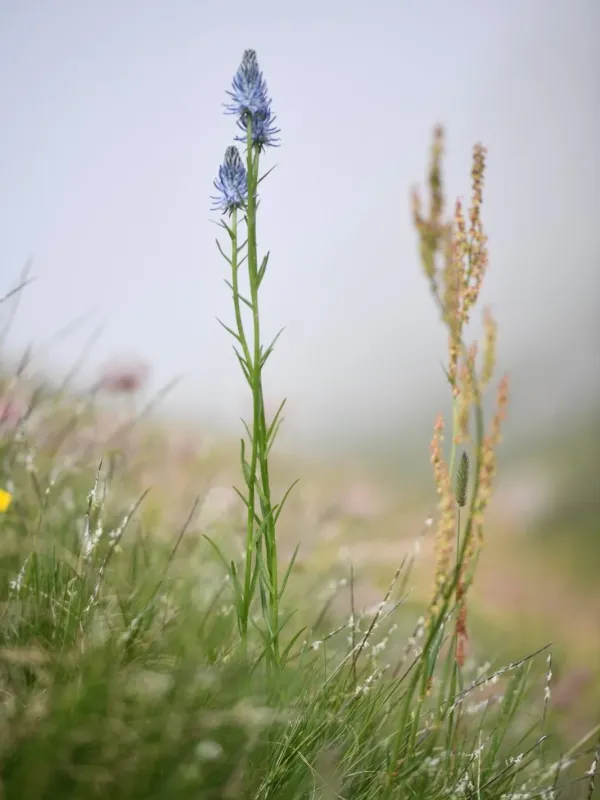
Description
Sowing dates
Micheli's Rampion is a herbaceous perennial plant belonging to the Campanulaceae family, native to the mountainous regions and high-altitude grasslands of Europe.
Propagation is typically achieved through seeds, which require a cold stratification period to break dormancy and ensure consistent germination rates in the spring.
For successful sowing, seeds can be scattered in prepared garden beds during the autumn, allowing winter temperatures to trigger the natural biological mechanisms of the seeds.
If sowing indoors, it is necessary to subject the seeds to cold treatment in a refrigerator for at least four weeks before sowing them into a porous, moisture-retentive seed starter mix.
Once seedlings emerge, they should be kept in a well-ventilated, bright location until they are robust enough to be transplanted to their permanent site in the garden.
Growing requirements
As an alpine-origin species, Micheli's Rampion thrives in cool, temperate climates where temperatures do not reach extreme summer highs, which can stress the plant.
The plant demands well-drained, nutrient-poor to moderately fertile soil, preferably neutral to slightly acidic, to prevent the roots from rotting due to waterlogging.
Exposure to full sun is generally acceptable in cooler climates, while in warmer regions, partial shade during the hottest part of the day is essential for plant health.
The species is highly hardy and perfectly adapted to surviving cold winters, making it an excellent choice for rock gardens and borders in regions with harsh winter conditions.
Consistency in moisture levels is key; while the plant dislikes being waterlogged, it also struggles during prolonged droughts, so regular monitoring of soil moisture is recommended.
Main diseases and pests
The primary threats to the cultivation of Micheli's Rampion are fungal pathogens such as crown rot, which are often encouraged by poor soil drainage and stagnant humidity.
To mitigate these risks, it is critical to ensure that the planting area is properly graded and that the soil is mixed with grit or sand to promote rapid water drainage.
Garden pests, particularly slugs and snails, pose a significant risk to the tender foliage and flower buds, especially during damp spring months when the plant is most active.
- Utilize physical barriers like copper tape or sharp gravel mulch to deter mollusks.
- Implement regular weeding to reduce hiding spots for pests and improve airflow.
- Apply targeted pest control solutions if natural barriers prove insufficient.
By maintaining clean growing conditions and ensuring adequate spacing between plants, the likelihood of disease outbreaks can be significantly reduced.