
Phyteuma japonicum
Phyteuma japonicum
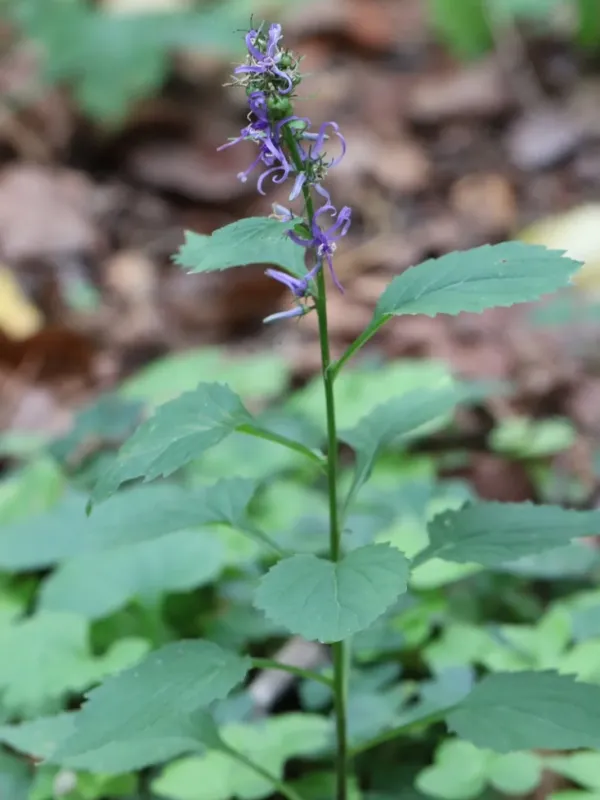
Description
Sowing dates
Sowing of Phyteuma japonicum seeds is best performed in early spring after the danger of frost has passed, or in late autumn for winter sowing. Stratification is recommended to ensure high germination rates, as the seeds respond well to cold treatment.
Seeds should be sown on the surface of a well-prepared, fine-textured soil and pressed down gently without covering them deeply. They require light to germinate effectively, so a light dusting of fine sand is sufficient to hold them in place.
Maintaining consistent moisture is critical during the germination phase. The soil should be kept damp, but never waterlogged, in a location with stable temperatures between 18 and 22 degrees Celsius.
When starting indoors, use seed trays with a sterile, well-draining potting mix. Transplant the seedlings into individual pots once they reach the two-leaf stage to encourage stronger root development before outdoor planting.
Transplanting into the garden should be done with a spacing of approximately 25 to 30 centimeters. Proper spacing is essential to ensure adequate airflow around the plants, which reduces the risk of fungal infections.
Growing requirements
Phyteuma japonicum, belonging to the Campanulaceae family, thrives in woodland conditions characterized by filtered light or partial shade. Exposure to intense direct sunlight can lead to leaf scorch and dehydration.
The ideal soil is fertile, humus-rich, and neutral to slightly acidic in pH. Good drainage is paramount, as the root system is highly sensitive to waterlogging, which often leads to rapid decay in compacted clay soils.
The plant demands high ambient humidity and consistent soil moisture. During the growing season, if natural precipitation is insufficient, supplementary watering is necessary, focusing on the root zone rather than the foliage.
Temperatures should ideally range between 15 and 25 degrees Celsius. Extreme heat or harsh, drying winds can cause the plant to enter premature dormancy or suffer from reduced flowering vigor.
Mulching the soil with organic matter such as leaf mold or well-rotted compost helps regulate soil temperature and moisture levels. This mimics the plant's natural forest-floor environment and provides slow-release nutrients.
Yield
The yield of Phyteuma japonicum is measured by the quality and quantity of its inflorescences and vegetative biomass. Well-managed plants produce dense rosettes of foliage topped by numerous decorative spikes.
Flowering performance is heavily dependent on nutrient availability and light management. An individual healthy specimen can produce over a dozen inflorescences per season when provided with optimal growing conditions.
The total vegetative mass depends on the age of the plant and the soil structure. Consistent care allows the plant to reach its full size by mid-summer, maintaining its appearance throughout the growing season.
Deadheading spent flowers is a recommended practice to promote the development of additional buds and to conserve the plant's energy for root growth. This practice is essential for maintaining aesthetic value in garden settings.
Seed production is a potential harvestable output. By allowing the best specimens to set seed, producers can obtain high-quality material for propagation while ensuring the genetic vigor of the colony is maintained.
Main diseases and pests
Fungal pathogens, particularly root rot, are the most significant threats, usually exacerbated by poor drainage and excessive watering. Maintaining good soil structure is the best prophylactic measure against these issues.
Slugs and snails are common pests that feed on the tender young foliage, especially during moist spring weather. Protective barriers or organic molluscicides are effective tools to prevent extensive damage to the rosettes.
Aphids can infest the inflorescences, causing stunted growth and distorted flowers. Regular monitoring and the application of mild insecticidal soaps are usually sufficient to manage these populations effectively.
Powdery mildew may occur if air circulation around the plants is inadequate. Providing proper spacing between individual plants and keeping the surrounding area free of weeds helps minimize the risk of infection.
Prompt removal of any plant tissue showing signs of infection is necessary to prevent the spread of disease. Always sanitize pruning tools between plants to avoid cross-contamination in the growing area.
Harvesting
Harvesting inflorescences for display or seed collection is best done during the morning hours. This ensures that the plant cells are fully hydrated, resulting in longer post-harvest freshness for cut stems.
Use sharp, clean garden shears for harvesting to ensure smooth cuts that heal quickly. For cut flowers, harvest just as the buds begin to open to maximize the longevity of the blooms in a vase.
Seed collection should take place when the seed pods turn from green to light brown. As the seeds are extremely small, consider placing a small bag over the pods as they ripen to catch any seeds that might drop.
Post-harvest, seeds must be dried in a dark, airy environment to prevent mold. Store in paper envelopes in a cool, dry place to maintain viability for the following season's planting.
At the end of the season, the foliage should be trimmed back, leaving only a short crown. This reduces the risk of pests overwintering in the dead tissue and prepares the plant for a vigorous flush of growth in the spring.