
Rampion
Phyteuma hybrids
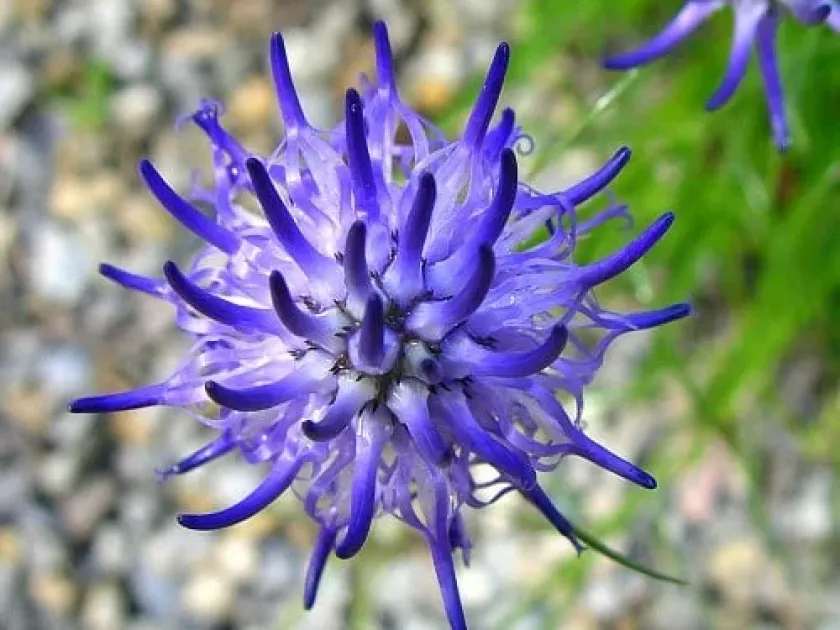
Description
Sowing dates
The sowing of Rampion (Phyteuma) is primarily conducted in early spring, once the soil has sufficiently warmed up. For early greens, sowing before winter in greenhouse conditions is possible, which significantly accelerates the germination and initial vegetation phases.
The seeds of this crop are extremely small, necessitating a shallow sowing technique. They should be placed on the surface and lightly covered with a thin layer of fine substrate or sand, not exceeding 0.5 to 1 centimeter in depth to ensure adequate light exposure.
For large-scale cultivation or professional farming, planting in rows spaced 25 to 30 centimeters apart is recommended. This layout ensures optimal airflow and facilitates easier maintenance and weeding throughout the growing season.
Germination is a slow process, so maintaining consistent surface moisture is crucial during the first few weeks after sowing. Using agricultural fleece or covers helps stabilize the microclimate, fostering healthy and uniform sprout emergence.
To optimize crop establishment, many producers use seedling trays or peat pots. This method prevents overcrowding, reduces the need for heavy thinning, and conserves valuable seed material for intensive vegetable farming.
Growing requirements
Rampion belongs to the Campanulaceae family and has specific soil preferences. High yields are typically achieved in loose, well-draining loam soils with a neutral pH level. Proper preparation of the seedbed is essential for root development.
The crop is relatively cold-hardy, thriving in temperate, cool climates. Excessive summer heat can slow down the plant's growth rate; therefore, selecting sites with light partial shade during peak sun hours is often beneficial for plant health.
Water requirements are significant: the plant does not tolerate prolonged drought and necessitates regular, consistent irrigation. However, waterlogging must be avoided, as it can lead to root rot if drainage is insufficient.
Good agricultural practice requires timely loosening of the soil between rows to prevent crust formation. Soil aeration is vital for the proper physiological development of all species within the Phyteuma genus.
Rampion responds well to the application of organic fertilizers, such as well-rotted compost, applied in the autumn. It is important to avoid excess nitrogen, which can lead to excessive foliage growth at the expense of root development.
Main diseases and pests
Slugs and snails pose the primary threat to young seedlings, as they actively graze on tender foliage in moist conditions. Implementing barrier methods or using specialized traps is essential for protecting the crop during the early growth stages.
High soil moisture can lead to the development of fungal diseases, such as powdery mildew or various forms of root rot. Prevention strategy centers on proper crop rotation and maintaining adequate spacing to ensure good ventilation.
Pests common to the Campanulaceae family, such as aphids, can occasionally infest the shoots during active growth. Using bio-based insecticides of natural origin is recommended to control populations without damaging the plant's quality.
Careful monitoring of leaves is necessary; any appearance of spots or premature yellowing may indicate irrigation issues or nutrient deficiencies. Frequent weeding reduces the habitat for potential pests and competes for resources.
If fungal infection is detected, prompt removal of affected specimens is required. Treating surrounding plants with mild, eco-friendly fungicides can help contain the spread and minimize damage to the overall yield.
Harvesting
Harvesting Rampion depends on the intended use, as both the tender leaves and the fleshy root crops are consumed. Foliage can be harvested selectively as the rosette expands throughout the growing season.
Root crops reach market maturity at the end of the first growing season or in the second year, depending on the climate and care provided. Harvest should be conducted carefully with a garden fork to prevent damaging the fragile roots.
After excavation, roots must be cleaned of soil, the foliage trimmed, and the crop dried in a shaded, airy location. This preparation is critical for ensuring longevity during storage in cool, ventilated rooms.
To preserve flavor and texture, storage temperatures should be maintained between 2 and 4 degrees Celsius. Storing roots in boxes with slightly damp sand prevents desiccation and premature wilting of the crop.
Routine inspection of the stored inventory is vital; a single decaying root can spread infection quickly. Consistent sorting is a key step in professional inventory management to maintain high-quality standards.