
Dwarf Rampion
Phyteuma humile
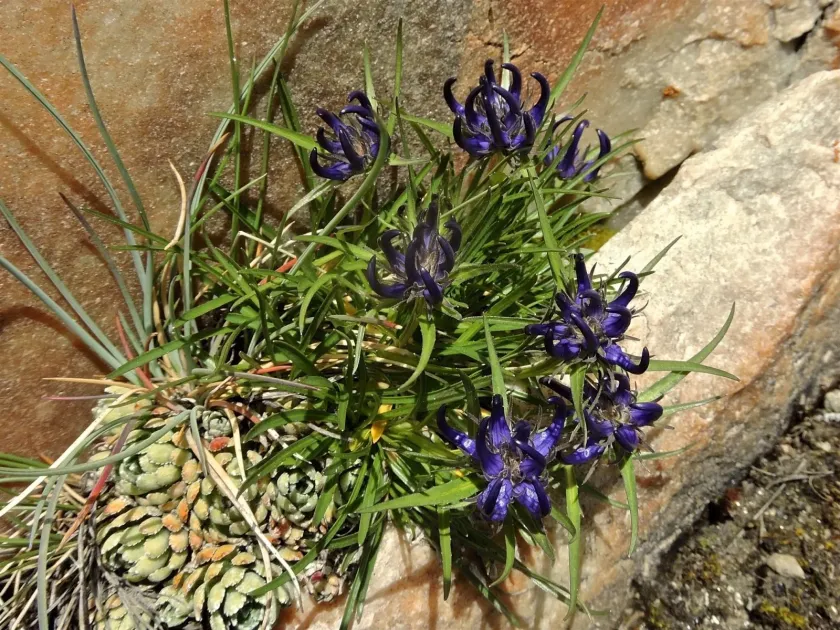
Description
Sowing dates
Dwarf Rampion (Phyteuma humile) is a low-growing perennial species belonging to the Campanulaceae family. Propagation is primarily achieved through seeds, which require a cold stratification period to break dormancy and ensure consistent germination.
Seeds should be sown in late autumn in containers or directly into well-prepared rock garden beds. The cold winter temperatures are essential to trigger the biological mechanisms required for the seeds to sprout effectively in early spring.
When sowing, seeds should be surface-sown as they require light for germination. Covering them with a thin layer of sand or fine grit is recommended to keep them in place while allowing sufficient light penetration to the seed coat.
The initial growth phase of the seedlings is relatively slow, requiring careful monitoring of moisture levels. It is critical to maintain a balance; the soil should be damp but never waterlogged, as seedlings are highly susceptible to damping-off disease.
Transplanting seedlings to their permanent location should be done once they reach a sturdy stage, usually in the second year. Careful handling of the root system is paramount, as the plant does not respond well to disturbance once established in its growing site.
Growing requirements
As a native of high-altitude alpine regions, Dwarf Rampion demands specific environmental conditions to thrive. It requires extremely well-drained, gritty, or rocky soil with a neutral to slightly acidic pH level to mimic its natural limestone habitat.
Water management is the most critical aspect of its care. The plant does not tolerate stagnant water around its crown, which can lead to quick decay. Excellent drainage is non-negotiable for long-term survival in garden conditions.
In terms of light exposure, the plant prefers full sun to light afternoon shade. In cooler climates, maximum sunlight exposure promotes compact growth and intense flower coloration, while in warmer regions, slight shade protects the foliage from heat stress.
The climate requirements for Phyteuma humile focus on cool, airy conditions. It is highly winter-hardy and requires little protection from cold temperatures, but it does struggle during long periods of high humidity and extreme summer heat.
Minimal fertilizing is required for this species. Over-fertilization, especially with high-nitrogen compounds, leads to lush but weak growth, making the plant more vulnerable to pests and diseases. A light dressing of organic compost in spring is usually sufficient.
Main diseases and pests
The primary threats to Dwarf Rampion are pathogens induced by unfavorable moisture levels. Root rot and collar rot are the most common issues, almost always caused by inadequate soil drainage or excessively high soil moisture content.
Fungal infections, including powdery mildew, can appear during humid, stagnant conditions. Improving air circulation around the plants and ensuring the foliage remains dry during watering are the best preventative measures against these issues.
Slugs and snails are the most prominent pests, particularly in spring. These mollusks can rapidly defoliate the rosettes of young plants. Gardeners often use crushed shells, grit, or non-toxic traps to manage these populations effectively.
Aphids may occasionally target the developing flower heads. While usually not fatal, heavy infestations can reduce the aesthetic quality of the blooms. If necessary, gentle insecticidal soaps can be used to manage localized outbreaks.
Preventative care is the most effective approach to managing these threats. By ensuring the plant is located in a position that offers optimal drainage and good air movement, most health issues can be avoided without the need for intensive chemical treatments.