
Phyllostachys vivax
Phyllostachys vivax
Description
Growing requirements
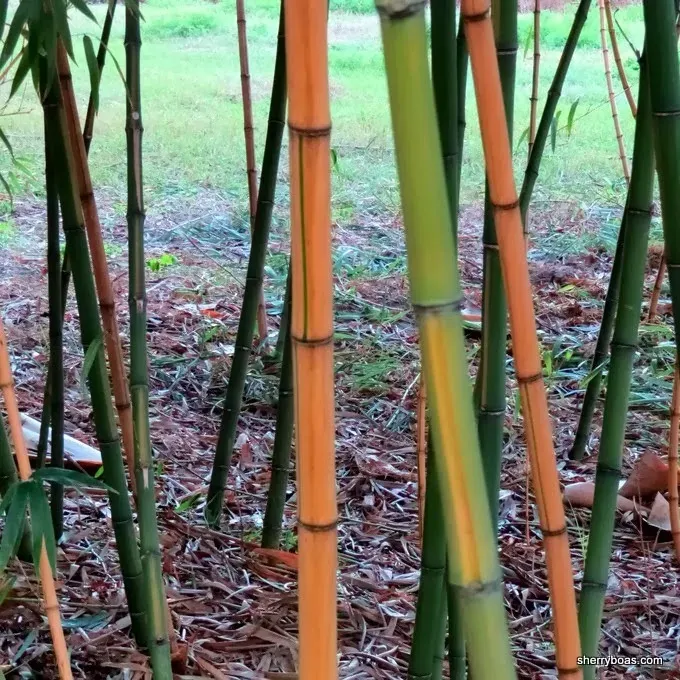
Phyllostachys vivax is a robust, giant timber bamboo species belonging to the Poaceae family. Native to China, it is highly valued for its thick, bright green culms and rapid growth rate, which can reach impressive heights in optimal environments.
The plant thrives in well-drained, fertile, loamy soils with a pH ranging from slightly acidic to neutral. It is essential to ensure that the site is protected from harsh, drying winds, as the large leaves can suffer from desiccation if exposed continuously.
Regarding climate, this species is noted for being one of the most cold-hardy timber bamboos, capable of enduring temperatures as low as -20°C once established. However, during the first few seasons, it requires careful winter protection and consistent soil moisture.
Agronomic management involves regular nitrogen-rich fertilization during the spring shooting phase to support the production of new, thick culms. Adequate irrigation is critical during the peak growing season to ensure the bamboo reaches its full height and vigor.
In landscape use, Phyllostachys vivax serves as an excellent privacy screen or a focal point. Due to its running rhizome habit, it is recommended to install root barriers around the planting area to prevent the bamboo from encroaching into unwanted spaces.
Main diseases and pests
The species is generally resilient, but excessive humidity combined with poor air circulation can lead to outbreaks of rust or other fungal leaf diseases within the dense canopy.
Spider mites are the most common pests, particularly in warmer, drier climates. They typically infest the undersides of the leaves, causing chlorosis and premature defoliation if left untreated.
Scale insects may also colonize the culms, extracting sap and creating honeydew, which can subsequently attract sooty mold, affecting the plant's overall photosynthetic capacity.
Routine inspection of the stems and foliage is necessary to detect early signs of infestation. Maintaining proper plant spacing and ensuring that dead culms are removed annually will significantly improve air movement.
Integrated pest management strategies should focus on maintaining soil health and providing adequate nutrition, which empowers the plant to naturally resist minor pest pressures.