
Phyllostachys humilis
Phyllostachys humilis
Description
Growing requirements
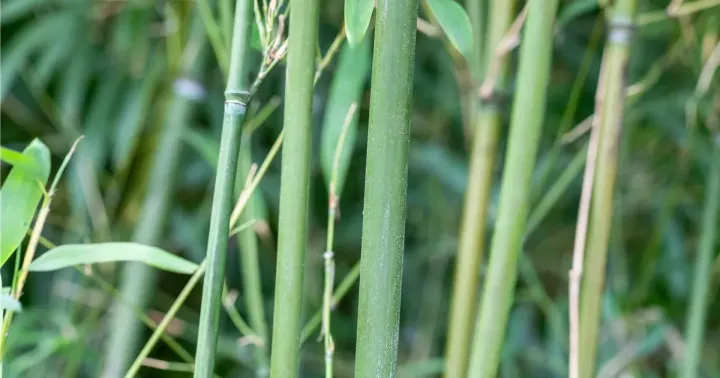
Phyllostachys humilis, commonly known as the dwarf bamboo, belongs to the Poaceae family. It is a highly valued species in ornamental horticulture due to its compact habit, hardiness, and the ability to create dense, evergreen screens in moderate climates.
Native to Eastern Asia, this bamboo species is well-adapted to various garden conditions. It is known for its relatively fast spread via underground rhizomes, which requires gardeners to use root barriers to contain its growth if planted in limited areas.
The plant thrives in fertile, well-draining soils with a slightly acidic to neutral pH. Proper soil aeration is critical, as stagnant water can lead to root rot. Incorporating organic matter, such as compost, into the planting site significantly improves vigor.
Phyllostachys humilis prefers locations with full sun to light shade. It is particularly valued for its cold tolerance compared to other bamboo species, although it benefits from protective mulch during severe winter temperatures to safeguard the dormant root system.
Water management is crucial during the growing season. Consistent moisture promotes the production of new culms. Regular fertilization with balanced nitrogen-rich nutrients in late spring encourages healthy development and lush foliage density.
Main diseases and pests
While generally robust, Phyllostachys humilis can be susceptible to fungal pathogens if planted in areas with poor drainage or insufficient air circulation. Rust and leaf spot are the most common indicators of such environmental stress.
Insect pests such as spider mites and aphids may occasionally infest the foliage, particularly during hot and dry spells. These pests weaken the plant by sap-sucking, which necessitates prompt identification and treatment.
Biological and chemical control methods are effective against these threats. Implementing integrated pest management (IPM) practices, such as maintaining appropriate plant spacing and monitoring for early signs of infestation, is highly recommended.
Cultural practices, including the removal of dead or crossing culms, play a significant role in disease prevention. This thinning process ensures that sunlight and air reach the center of the bamboo clump, keeping it healthy and less prone to moisture-related diseases.
Overall, the plant demonstrates a high level of resilience. By providing correct growing conditions—specifically avoiding waterlogged soils and ensuring adequate fertilization—the risk of significant damage from pests and diseases is kept to a minimum.